

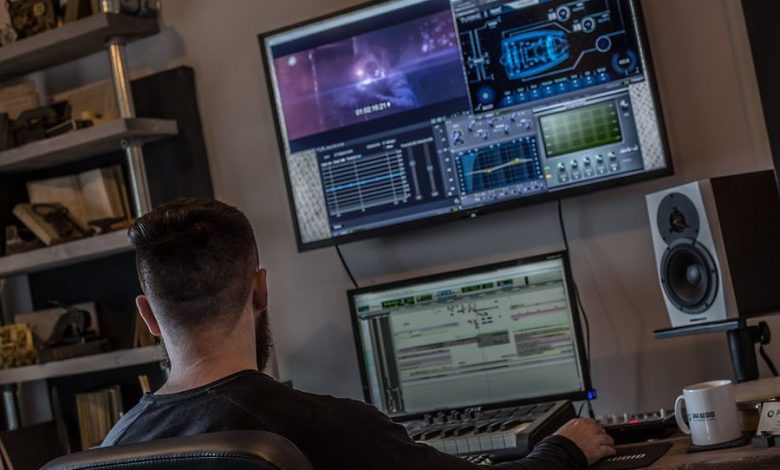
Sound design is an essential part of the post-production process in the entertainment industry. It involves creating and manipulating audio elements to enhance the overall quality of a production, whether it’s a film, TV show, or video game. One of the key concepts in sound design is the use of mix and splits.
Mixing is the process of combining multiple audio tracks into a cohesive whole. It involves adjusting the levels, panning, and equalization of each track to create a balanced and harmonious sound. A well-mixed audio track can make a huge difference in the final product, as it can affect the mood, tone, and overall impact of a scene. On the other hand, splits refer to the separation of the final mix into discrete audio elements. Splits can be used for a variety of purposes, such as isolating specific sound effects or music cues, or providing flexibility for future edits. Understanding the differences between mix and splits is crucial for any sound designer looking to create high-quality audio content.
Understanding Mix and Splits in Sound Design
Mix and splits are essential concepts in sound design. In this section, we will explore what mix and splits are and how they are used in sound design.
Mix
In sound design, a mix is a combination of several audio sources into a single output. The goal of a mix is to create a balanced and cohesive sound that enhances the overall listening experience. A mix can include different elements such as dialogue, sound effects, music, and ambient sounds.
To achieve a balanced mix, sound designers use various techniques such as panning, equalization, compression, and volume control. Panning involves placing sounds in different positions in the stereo field, while equalization adjusts the frequency balance of each sound. Compression reduces the dynamic range of sounds, while volume control adjusts the overall loudness of each sound.
Splits
In contrast to a mix, splits involve separating different elements of the audio into separate outputs. Splits are used to give sound designers greater control over each element of the sound design. For example, a split can be used to separate dialogue from sound effects, allowing the sound designer to adjust the volume of each element independently.
Splits can be achieved using various techniques such as bussing, submixing, and stem mixing. Bussing involves routing multiple audio sources to a single output, while submixing involves grouping multiple audio sources and routing them to a separate output. Stem mixing involves grouping audio sources into stems such as dialogue, sound effects, and music, and routing each stem to a separate output.
understanding mix and splits is crucial for sound designers. A good mix can enhance the overall listening experience, while splits give sound designers greater control over each element of the audio. By using various mixing and splitting techniques, sound designers can create a cohesive and balanced sound design that meets the needs of the project.
The Art of Mixing
Mixing is the process of combining individual tracks into a cohesive and pleasing sound. It’s an art form that requires both technical knowledge and an ear for music. A good mix can make a song sound professional and polished, while a bad mix can ruin even the best performance. In this section, we’ll explore the key elements of mixing and how they work together to create a great sound.
Balancing Levels
The first step in mixing is to balance the levels of each track. This means adjusting the volume of each instrument or vocal so that they all sound good together. A good rule of thumb is to start with the drums and bass, as they form the foundation of the song. Then, add in the other instruments and vocals, adjusting their levels until everything sounds balanced.
Panning
Panning is the process of placing each track in the stereo field. This means deciding whether the sound should be on the left, right, or center of the mix. Panning can create a sense of space and depth in the mix, and can help to highlight certain instruments or vocals. For example, you might pan the drums and bass to the center, while panning the guitars and keyboards to the left and right.
Equalization
Equalization, or EQ, is the process of adjusting the frequency balance of each track. This means boosting or cutting certain frequencies to make the track sound better in the mix. For example, you might boost the bass frequencies on the kick drum to make it sound more powerful, or cut the high frequencies on the vocal to reduce sibilance.
Dynamics Processing
Dynamics processing is the process of controlling the dynamic range of each track. This means adjusting the volume of each instrument or vocal to make them sound more consistent. Dynamics processing can include compression, which reduces the volume of loud sounds, and limiting, which prevents the volume from going too high.
Effects Processing
Effects processing is the process of adding effects to each track. This can include reverb, which creates a sense of space and depth, or delay, which creates an echo effect. Effects processing can be used to add interest and texture to the mix, but should be used sparingly to avoid overwhelming the sound.
mixing is an essential part of sound design. By balancing levels, panning, equalizing, dynamics processing, and effects processing, you can create a great-sounding mix that highlights the best parts of your music. Remember to use your ears and your technical knowledge to create a mix that sounds good on all systems.
The Science of Splits
When it comes to sound design, splits refer to the process of dividing an audio signal into separate tracks or channels. This technique is commonly used in mixing and mastering to control the levels and effects of individual elements in a mix. There are two main types of splits: frequency division and time division.
Frequency Division
Frequency division splits an audio signal by frequency range. This allows for greater control over the levels of individual elements in a mix. For example, a mix engineer may use frequency division to separate the bass, drums, and vocals of a song. This allows them to adjust the levels of each element independently, ensuring that the mix is well-balanced and each element is heard clearly.
Time Division
Time division splits an audio signal by time. This technique is often used in post-production to separate dialogue, sound effects, and music tracks. By separating these elements, sound designers can add effects and adjust levels independently, creating a more immersive and dynamic soundscape.
In addition to frequency and time division, there are other types of splits that are commonly used in sound design. Stem outputs, also known as split tracks, are a separation of the final mix into discrete audio elements. This allows for greater control over the individual elements of a mix, making it easier to create custom mixes for different applications.
splits are an essential tool in sound design. By dividing audio signals into separate tracks or channels, sound designers can achieve greater control over the individual elements of a mix, creating a more immersive and dynamic soundscape.
Practical Applications of Mix and Splits
Music Production
Mix and splits are essential in music production. A well-mixed track can make or break a song. Mixing is the process of combining individual tracks into a stereo or multichannel sound. The goal is to create a balanced and polished final product. Splits, on the other hand, are a way of breaking down a mix into its individual components. This allows for greater control over the different elements of a mix.
Mixing and splitting are used in a variety of ways in music production. For example, a producer might use splits to isolate a particular instrument or vocal track for editing or processing. They might also use a split track to create a remix or alternate version of a song. Mixing is used to create a final mix that sounds great on a variety of playback systems, from headphones to high-end speakers.
Film and Television
Mix and splits are also critical in film and television sound design. In this context, mixing refers to the process of combining dialogue, sound effects, and music into a cohesive soundtrack. The goal is to create a sonic environment that enhances the story and emotional impact of the visuals.
Splits are used in film and television to provide greater control over the different elements of the soundtrack. For example, a sound designer might use a split track to isolate a particular sound effect for editing or processing. They might also use splits to create a surround sound mix for theatrical release.
Live Sound
Mix and splits are also essential in live sound. In this context, mixing refers to the process of balancing and adjusting the levels of different sound sources in real-time. The goal is to create a clear and balanced sound that works well in the particular acoustics of a venue.
Splits are used in live sound to provide greater control over the different elements of the mix. For example, a sound engineer might use a split track to isolate a particular instrument or vocal track for processing or to send it to a separate monitor mix for the performer. They might also use splits to send different elements of the mix to different speakers or to create a feed for a recording or broadcast.
mix and splits are essential tools in sound design. They are used in a variety of contexts, from music production to film and television to live sound. By providing greater control over the different elements of a mix, they allow sound designers to create polished, professional, and impactful soundtracks.
Advanced Techniques
Mixing in Surround Sound
When mixing in surround sound, it is important to consider the placement of each sound source in the sound field. This means that each sound should be placed in the appropriate location in the sound field, whether that be in the front, rear, left, or right channels.
One approach to mixing in surround sound is to use a 5.1 surround sound system, which consists of five speakers and a subwoofer. The front speakers are usually placed on either side of the screen, while the rear speakers are placed behind the listener. The subwoofer is used for low-frequency sounds such as explosions and bass-heavy music.
One technique for mixing in surround sound is to use panning to position sounds in the sound field. For example, if a sound is coming from the left side of the screen, it should be panned to the left channel. Similarly, if a sound is coming from the rear of the sound field, it should be panned to the rear channels.
Immersive Audio Splits
Immersive audio splits are a technique used in sound design to create a more immersive listening experience. This technique involves splitting audio into multiple channels, which are then played back through multiple speakers to create a more immersive sound field.
One approach to immersive audio splits is to use a 7.1 surround sound system, which consists of seven speakers and a subwoofer. The additional speakers are placed on either side of the listener and above the listener’s head. This allows for even more precise placement of sound sources in the sound field.
Another approach to immersive audio splits is to use object-based audio, which allows for even more precise placement of sound sources in the sound field. This technique involves creating individual “objects” for each sound source, which can then be placed anywhere in the sound field. This allows for a more dynamic and immersive listening experience.
advanced mixing techniques such as mixing in surround sound and immersive audio splits can greatly enhance the listening experience for the audience. By carefully considering the placement of sound sources in the sound field and using techniques such as panning and object-based audio, sound designers can create a truly immersive and engaging listening experience.
Conclusion
sound mixing and audio splits are essential components of sound design for any production, whether it be a film, concert, or live event. Sound mixing involves combining and adjusting all the different audio elements to create a cohesive and balanced final product. This process requires a skilled sound designer who can manipulate the levels, EQ, and effects of each track to achieve the desired sound.
On the other hand, audio splits involve dividing the audio signal into multiple outputs, each of which can be used for a different purpose. This technique is particularly useful for live events, where the audio needs to be sent to multiple locations simultaneously, such as the main PA system, recording equipment, and broadcast feeds.
sound mixing and audio splits are two crucial aspects of sound design that require careful planning and execution. By understanding the different techniques involved, sound designers can create immersive and engaging audio experiences that enhance the overall production.


