

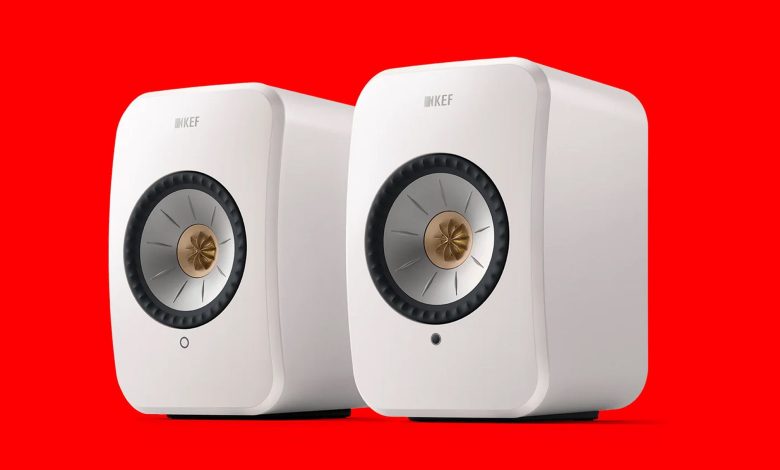
Audio quality is an essential aspect of any audio recording or playback. It refers to the accuracy, fidelity, and intelligibility of audio output from an electronic device. The quality of audio can be measured objectively, such as when tools are used to gauge the accuracy with which the device reproduces an original sound. It can also be measured subjectively, such as when human listeners respond to the sound or gauge its perceived similarity to the original recording.
Several factors determine audio quality. One of the most critical factors is the sample rate, which is the number of times in a second an audio sample is taken. The higher the sample rate, the more accurate the audio reproduction. Another factor that determines audio quality is the bit depth, which refers to the number of bits used to represent each audio sample. Higher bit depth means more accurate and detailed audio reproduction. Understanding these factors and their impact on audio quality is essential for anyone involved in audio recording or playback.
Sound Source
The quality of sound is determined by various factors, including the source of the audio. The source refers to the original recording of the audio, which can be created using different methods and technologies.
Recording Quality
Recording quality is an essential factor that determines the sound quality. A high-quality recording captures more details and nuances of the sound, resulting in a more accurate and natural sound. The recording quality depends on several factors, such as the microphone, recording equipment, and recording environment.
A good microphone is crucial for capturing high-quality sound. A high-end microphone can capture a broader frequency range and higher dynamic range, resulting in a more accurate and detailed sound. The recording equipment, such as the preamp, converter, and mixer, also plays a vital role in the recording quality. High-quality equipment can capture and process the sound more accurately, resulting in a better sound.
The recording environment also affects the recording quality. A quiet and acoustically treated room can minimize unwanted noise and reverberation, resulting in a cleaner sound.
Audio Format
The audio format also affects the sound quality. The audio format refers to the way the audio is stored and encoded. Different audio formats have different levels of compression and quality.
Lossless formats, such as WAV and FLAC, retain all the details of the original recording, resulting in the best sound quality. However, lossless formats require more storage space and bandwidth.
Lossy formats, such as MP3 and AAC, compress the audio to reduce the file size, resulting in a lower quality sound. The amount of compression can vary, and higher compression can result in a more significant loss of quality.
the sound source is a crucial factor that determines the sound quality. A high-quality recording using a good microphone, recording equipment, and recording environment can result in a more accurate and natural sound. Additionally, using a lossless audio format can retain all the details of the original recording, resulting in the best sound quality.
Audio Equipment
When it comes to audio quality, the equipment you use plays a crucial role. In this section, we will discuss the three main types of audio equipment: speakers, headphones, and amplifiers.
Speakers
Speakers are the most important component in determining audio quality. They are responsible for producing the sound that you hear, and the quality of the sound is dependent on the quality of the speakers. When choosing speakers, it is important to consider the size of your room and the desired volume level. Larger rooms require larger speakers, while smaller rooms can make do with smaller speakers.
Additionally, it is important to consider the type of music you will be listening to. Different genres of music require different types of speakers. For example, classical music sounds better on speakers that can accurately reproduce the full range of sound, while rock music may benefit from speakers that emphasize the mid-range frequencies.
Headphones
Headphones are a popular choice for listening to music on the go. They come in various shapes and sizes, and the quality of the headphones can greatly affect the audio quality. When choosing headphones, it is important to consider the type of music you will be listening to. Different headphones are better suited for different genres of music. For example, closed-back headphones are better for bass-heavy music, while open-back headphones are better for classical music.
It is also important to consider the impedance of the headphones. Impedance is a measure of the resistance of the headphones to the flow of electrical current. Headphones with a higher impedance require more power to drive, which can affect the sound quality.
Amplifiers
Amplifiers are used to boost the signal from the audio source to the speakers or headphones. They can greatly affect the audio quality, especially when paired with high-quality speakers or headphones. When choosing an amplifier, it is important to consider the power output and the impedance of the speakers or headphones.
It is also important to consider the type of amplifier. Solid-state amplifiers are more common and are known for their accuracy and detail, while tube amplifiers are known for their warm, rich sound. However, tube amplifiers can be more expensive and require more maintenance than solid-state amplifiers.
when it comes to audio quality, the equipment you use is crucial. Speakers, headphones, and amplifiers all play a role in determining the quality of the sound. When choosing audio equipment, it is important to consider the size of your room, the type of music you will be listening to, and the impedance of the speakers or headphones.
Room Acoustics
When it comes to audio quality, room acoustics play a crucial role. The way sound waves interact with the surfaces in a room can dramatically affect the way we perceive sound. Here are some factors that determine the acoustics of a room.
Room Size
The size of a room can have a significant impact on its acoustics. Large rooms tend to have longer reverberation times, which can make audio sound muddy and indistinct. In contrast, smaller rooms tend to have shorter reverberation times, which can make audio sound more focused and clear.
Material Surfaces
The materials used in a room can also affect its acoustics. Hard surfaces like concrete, tile, and glass tend to reflect sound waves, which can create echoes and make audio sound harsh. Soft surfaces like carpet, drapes, and upholstered furniture tend to absorb sound waves, which can reduce echoes and make audio sound warmer and more natural.
It’s important to strike a balance between hard and soft surfaces in a room to achieve optimal acoustics. Too many hard surfaces can create an overly reflective environment, while too many soft surfaces can create an overly dead environment.
room acoustics are an essential consideration when it comes to audio quality. By taking into account factors like room size and material surfaces, you can create an environment that enhances the listening experience and brings out the best in your audio equipment.
Listening Skills
When it comes to determining audio quality, listening skills play a crucial role. The ability to distinguish between different audio qualities requires a combination of hearing ability and audio training.
Hearing Ability
Everyone’s hearing ability is different, and some people may be more sensitive to nuances in audio quality than others. Factors that can affect hearing ability include age, exposure to loud noises, and genetics.
To improve hearing ability, it’s important to take care of your ears by avoiding loud noises and using ear protection when necessary. Regular hearing tests can also help identify any hearing loss and allow for early intervention.
Audio Training
In addition to hearing ability, audio training can also improve your ability to distinguish between different audio qualities. This can include training your ears to recognize specific frequencies or learning how to listen for distortion or other audio artifacts.
There are many resources available for audio training, including online courses, books, and software programs. It’s important to choose a training program that is appropriate for your skill level and interests.
developing strong listening skills is essential for accurately determining audio quality. By taking care of your hearing and investing in audio training, you can improve your ability to distinguish between different audio qualities and appreciate the nuances of high-quality audio.
File Compression
When it comes to audio quality, file compression plays a crucial role. Compression is used to reduce the size of audio files, making them easier to store and transfer. However, compression can also affect the quality of the audio. In this section, we’ll explore the two main types of audio compression: lossless and lossy.
Lossless Compression
Lossless compression is a type of compression that reduces the size of a file without sacrificing any of the audio quality. The most common lossless compression formats are FLAC, ALAC, and WMA Lossless. These formats are able to compress audio files by removing redundant data, but they do not discard any audio information.
Lossless compression is ideal for audiophiles who want to preserve the highest possible quality of their audio files. However, it’s important to note that lossless files are still larger than their lossy counterparts, so they may not be as practical for everyday use.
Lossy Compression
Lossy compression is a type of compression that sacrifices some of the audio quality in order to reduce the file size. The most common lossy compression formats are MP3, AAC, and Ogg Vorbis. These formats use psychoacoustic principles to remove imperceptible parts of the audio file, resulting in a smaller file size.
While lossy compression does result in a smaller file size, it also results in a loss of audio quality. The amount of quality loss depends on the compression rate, which is measured in kilobits per second (kbps). A higher compression rate results in a smaller file size but also a greater loss of quality.
It’s important to choose the right compression format and rate based on your needs. If you want the highest possible audio quality, lossless compression is the way to go. If file size is a concern, lossy compression may be a better option, but keep in mind that the quality will be lower.


