

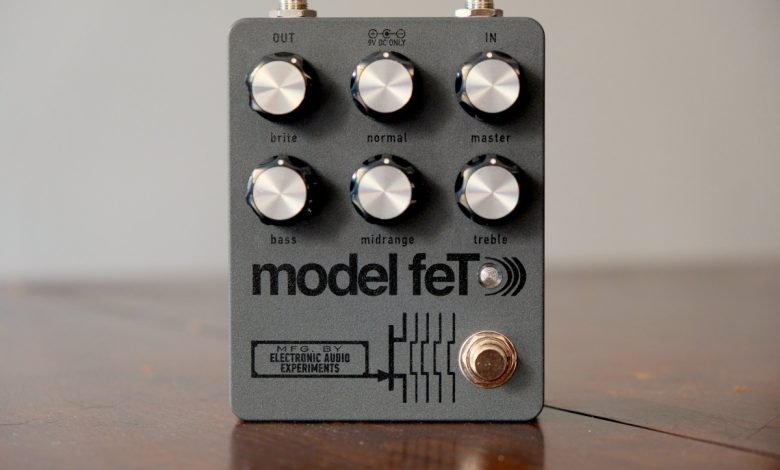
FET or Field-Effect Transistor is a type of transistor that is widely used in audio circuits due to its high input impedance, low output impedance, and high gain. FETs are known for their ability to amplify weak signals and are commonly used for amplifying wireless signals. The device can also switch DC or function as an oscillator.
In audio circuits, FETs are commonly used in audio compressors. FET compressors are known for their ability to add aggression, color, and excitement to a variety of instruments. Certain FET compressors do not have a threshold dial, and in these cases, the audio signal is compressed in line with the level of the input. The higher the input, the greater the compression. The rapidity of this compressor type makes it a popular choice for many audio engineers.
Understanding FET in Audio
FET stands for Field Effect Transistor, which is a type of transistor used in audio circuits. FETs are popular in audio circuits because they have a high input impedance, low noise, and low distortion. They are commonly used in preamplifiers, equalizers, and compressors.
How FETs Work
FETs work by controlling the flow of current through a channel between two terminals, called the source and drain, by applying a voltage to a third terminal called the gate. The gate voltage controls the size of the channel, which in turn controls the amount of current flowing through the transistor.
There are two types of FETs: JFETs and MOSFETs. JFETs have a simple structure and are easy to use, while MOSFETs have a more complex structure and require more precise biasing.
Applications of FETs in Audio
FETs are commonly used in audio circuits because they have a high input impedance, which means they do not load down the signal source. This makes them ideal for use in preamplifiers, where the input signal is weak and needs to be amplified without adding noise or distortion.
FETs are also used in equalizers, where they can be used to adjust the frequency response of the audio signal. They are particularly useful in graphic equalizers, where they can be used to adjust the level of specific frequency bands.
Finally, FETs are used in compressors, where they can be used to control the dynamic range of the audio signal. FET compressors are popular because they have a fast attack time and a warm, musical sound.
FETs are versatile and widely used in audio circuits because they offer low noise, low distortion, and high input impedance.
Types of FETs in Audio
FETs (Field-Effect Transistors) are widely used in audio circuits for their high input impedance, low noise, and low distortion characteristics. There are two main types of FETs used in audio circuits: JFETs and MOSFETs. Let’s take a closer look at each type.
JFETs
JFETs (Junction Field-Effect Transistors) are the simplest type of FETs and have been widely used in audio circuits for decades. They have a high input impedance, which makes them ideal for use in preamp stages and other high gain applications.
JFETs are available in two types: N-channel and P-channel. N-channel JFETs are more commonly used in audio circuits due to their superior noise performance and higher gain. P-channel JFETs are less common and are mainly used in complementary symmetry amplifier circuits.
MOSFETs
MOSFETs (Metal-Oxide-Semiconductor Field-Effect Transistors) are another type of FETs that have gained popularity in audio circuits in recent years. They offer a higher input impedance than JFETs and are capable of delivering high power output with low distortion.
MOSFETs are available in two types: N-channel and P-channel. N-channel MOSFETs are more commonly used in audio circuits due to their superior performance and availability. P-channel MOSFETs are less common and are mainly used in complementary symmetry amplifier circuits.
MOSFETs are further classified into two types: Depletion-mode and Enhancement-mode. Depletion-mode MOSFETs are normally ON and require a negative voltage at the gate to turn them OFF. Enhancement-mode MOSFETs are normally OFF and require a positive voltage at the gate to turn them ON.
JFETs and MOSFETs are two types of FETs widely used in audio circuits. JFETs are simple, low-cost, and have a high input impedance, while MOSFETs offer high power output with low distortion. Both types of FETs have their own advantages and disadvantages, and the choice of FET depends on the specific requirements of the audio circuit.
How FETs Work in Audio Equipment
Field-effect transistors (FETs) are widely used in audio equipment due to their high input impedance, low output impedance, and high gain. FETs are a type of transistor that use an electric field to control the current flow through a semiconductor channel.
In audio equipment, FETs are commonly used in preamplifiers, mixers, and amplifiers. They are used to amplify and control the audio signal. FETs have a high input impedance, which means that they do not load the signal source and can maintain the signal’s integrity. This makes FETs ideal for use in preamplifiers, where the signal level is low and needs to be amplified without distortion.
FETs are also used in mixers, where multiple audio signals are combined into one output. FETs can be used to control the level and balance of each signal. In amplifiers, FETs are used to amplify the audio signal. They can be used in both the input stage and the output stage of the amplifier.
One advantage of FETs in audio equipment is their low noise level. FETs have a low noise floor, which means that they do not add noise to the audio signal. This is important in audio equipment, where the goal is to reproduce the original sound as accurately as possible.
Another advantage of FETs is their high linearity. FETs have a linear response to the input signal, which means that they do not distort the signal. This is important in audio equipment, where distortion can introduce unwanted harmonics and alter the sound.
FETs are widely used in audio equipment due to their high input impedance, low output impedance, high gain, low noise level, and high linearity. They are commonly used in preamplifiers, mixers, and amplifiers to amplify and control the audio signal.
Benefits of Using FETs in Audio
Field-effect transistors (FETs) are a popular choice for audio circuits due to their unique properties. Here are some of the benefits of using FETs in audio:
-
Low noise: FETs have a high input impedance, which means they do not load down the circuit they are connected to. As a result, they produce less noise than other types of transistors. This makes them ideal for use in preamplifiers and other low-level audio circuits.
-
Low distortion: FETs have a low output impedance, which means they are less likely to introduce distortion into the audio signal. They also have a linear transfer characteristic, which means they produce less harmonic distortion than other types of transistors.
-
High gain: FETs have a high voltage gain, which means they can amplify weak audio signals without introducing noise or distortion. This makes them ideal for use in audio amplifiers.
-
Fast switching: FETs can switch on and off quickly, which makes them ideal for use in switching circuits. They are commonly used in audio signal routing circuits, such as those found in mixers and effects processors.
-
Low power consumption: FETs are power-efficient, which makes them an attractive choice for battery-powered devices. They also generate less heat than other types of transistors, which can help prolong the life of the device.
FETs are a versatile and reliable choice for audio circuits. They offer low noise, low distortion, high gain, fast switching, and low power consumption. Whether you are designing a preamplifier, an audio amplifier, or a signal routing circuit, FETs are worth considering.
Challenges with FETs in Audio
FETs offer several advantages over other types of transistors in audio applications, such as high input impedance, low output impedance, and high gain. However, there are also some challenges associated with using FETs in audio circuits.
One of the main challenges is the limited voltage range of FETs. FETs have a limited voltage range, which means that they can only handle a certain amount of voltage before they break down. This can be a problem in audio circuits where the voltage can vary widely.
Another challenge is the noise level of FETs. FETs can be prone to noise, which can be a problem in audio circuits where noise can be amplified and heard.
In addition, FETs can be sensitive to temperature changes. Temperature changes can affect the performance of FETs, which can be a problem in audio circuits where temperature can vary widely.
Finally, FETs can be more expensive than other types of transistors. This can be a problem for designers who are working with tight budgets.
Despite these challenges, FETs remain a popular choice for audio applications because of their many advantages. Designers can overcome these challenges by carefully selecting FETs that are appropriate for their specific application and by using proper circuit design techniques.
FETs Vs. Other Transistors in Audio
Field Effect Transistors (FETs) are a type of transistor that are commonly used in audio applications. They are available in both N-channel and P-channel configurations and are voltage-controlled devices. In this section, we will compare FETs to other types of transistors used in audio.
FETs Vs. Bipolar Junction Transistors (BJTs)
BJTs are a type of transistor that are commonly used in audio applications. They are available in both NPN and PNP configurations and are current-controlled devices. One of the main differences between FETs and BJTs is that BJTs have a higher voltage gain than FETs. This makes BJTs more suitable for low-level signal amplification. However, FETs have a higher input impedance than BJTs, which makes them more suitable for high-level signal amplification.
FETs Vs. MOSFETs
MOSFETs are another type of transistor that are commonly used in audio applications. They are available in both N-channel and P-channel configurations and are voltage-controlled devices. One of the main differences between FETs and MOSFETs is that MOSFETs have a higher input impedance than FETs. This makes MOSFETs more suitable for high-level signal amplification. However, FETs have a lower gate capacitance than MOSFETs, which makes them more suitable for low-level signal amplification.
FETs Vs. JFETs
JFETs are a type of transistor that are commonly used in audio applications. They are available in both N-channel and P-channel configurations and are voltage-controlled devices. One of the main differences between FETs and JFETs is that JFETs have a lower input impedance than FETs. This makes JFETs more suitable for low-level signal amplification. However, FETs have a lower gate capacitance than JFETs, which makes them more suitable for high-level signal amplification.
FETs are a versatile type of transistor that can be used in a variety of audio applications. They have a higher input impedance than BJTs and JFETs, which makes them more suitable for high-level signal amplification. They also have a lower gate capacitance than MOSFETs, which makes them more suitable for low-level signal amplification.
Future of FETs in Audio
FETs have become increasingly popular in audio applications due to their high input impedance, low output impedance, and high gain. They offer several advantages over their silicon counterparts, including power density, switching efficiency, noise reduction, and design.
In the future, we can expect to see even more advancements in FET technology that will further improve their performance in audio applications. Here are a few potential developments to keep an eye out for:
-
Improved efficiency: FETs are already highly efficient, but there is always room for improvement. Researchers are exploring ways to reduce the on-resistance and gate charge of FETs, which could lead to even greater efficiency.
-
New materials: While silicon is currently the most commonly used material for FETs, researchers are exploring other materials that could offer even better performance. For example, gallium nitride (GaN) FETs have shown promise in audio applications due to their high breakdown voltage and low on-resistance.
-
Integration with other components: As FET technology continues to advance, we may see more integration with other components in audio systems. For example, FETs could be combined with amplifiers or other components to create more compact and efficient audio systems.
the future of FETs in audio looks bright. With continued research and development, we can expect to see even more improvements in FET technology that will help to further enhance audio performance and quality.


