

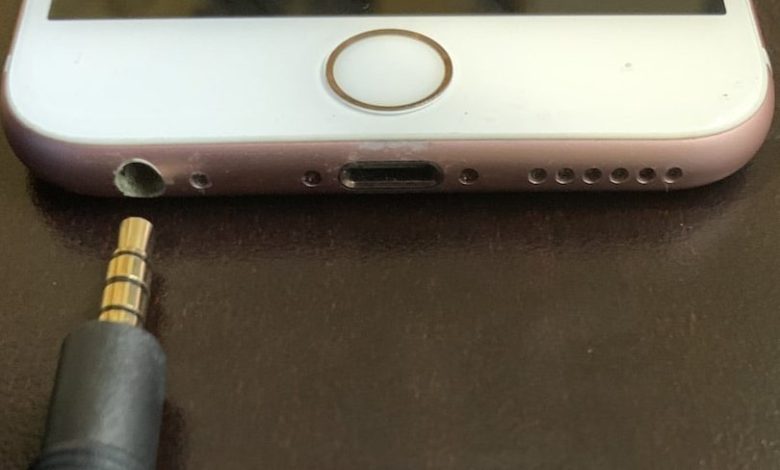
Have you ever wondered what the lines on your headphone jack mean? You’re not alone. Many people are unsure of the purpose of these lines and what they indicate. In this article, we will explore the different types of lines you may see on a headphone jack and what they signify.
First, it’s important to understand that the lines on a headphone jack are called rings. The number of rings on a jack can tell you a lot about the type of audio connection it provides. For example, a jack with one ring is a mono jack, which means it only delivers one channel of sound to both the left and right earbuds. On the other hand, a jack with two rings is a stereo jack, which delivers two channels of sound – one for the left earbud and one for the right.
In addition to mono and stereo jacks, there are also jacks with three rings, four rings, and even five rings. These jacks are used for various purposes, such as transmitting audio and video signals, providing power, and enabling data transfer. By understanding the different types of rings on a headphone jack, you can ensure that you’re using the right type of jack for your audio needs.
Understanding Headphone Jacks
Basics of Headphone Jacks
Headphone jacks are electrical connectors that are used to transmit audio signals from an audio source to headphones. They are also known as phone jacks, audio jacks, jack plugs, or phone connectors. The headphone jack is usually a small, round, hollow analog socket, while the plug is pin or cylindrical shaped.
The basic design of a headphone jack consists of a metal pin that has conductors to transmit audio signals. These conductors come in a gold, nickel, or brass finish, each offering varying levels of durability. The jack is a hollow barrel lined with conductors that receive the metal pin of the headphone plug.
The number of lines on a headphone jack can vary, and they play a crucial role in the operation of the headphones. The most common types of headphone jacks are the 3.5mm and 6.35mm jacks.
Types of Headphone Jacks
There are several types of headphone jacks available in the market. Let’s take a look at some of the most common types.
1. TRS Jack
The TRS (Tip, Ring, Sleeve) jack is the most common type of headphone jack. It has three lines, and it is used for stereo headphones. The tip is for the left audio channel, the ring is for the right audio channel, and the sleeve is for the ground.
2. TRRS Jack
The TRRS (Tip, Ring, Ring, Sleeve) jack has four lines and is used for headphones with a microphone. The tip is for the left audio channel, the first ring is for the right audio channel, the second ring is for the microphone, and the sleeve is for the ground.
3. TS Jack
The TS (Tip, Sleeve) jack has two lines and is used for mono headphones. The tip is for the audio signal, and the sleeve is for the ground.
4. Balanced Jack
The balanced jack has three lines and is used for high-end headphones. It is designed to reduce noise and distortion in the audio signal. The three lines are for the left audio channel, the right audio channel, and the ground.
understanding the lines on headphone jacks is essential to ensure that you choose the right type of jack for your headphones. The type of headphone jack you choose will depend on the type of headphones you have and the audio source you are using.
Decoding the Lines on Headphone Jacks
If you’ve ever looked at the lines on your headphone jack and wondered what they mean, you’re not alone. These lines are actually an important part of how your headphones work, and understanding them can help you get the most out of your audio experience.
Meaning of Each Line
Most headphone jacks have three lines, or rings, on them. These lines are called the Tip, Ring, and Sleeve, or TRS for short. Here’s what each line means:
- Tip: The tip is the first line on the jack, closest to the end. It carries the left audio signal.
- Ring: The ring is the second line on the jack, in the middle. It carries the right audio signal.
- Sleeve: The sleeve is the third line on the jack, closest to the base. It carries the ground signal.
Some headphone jacks may have additional lines, such as a fourth line for a microphone. These jacks are called TRRS jacks.
The Role of Lines in Sound Quality
The lines on your headphone jack play an important role in the sound quality of your headphones. Each line carries a different part of the audio signal, and if any of these lines are damaged or not working properly, it can affect the overall sound quality.
For example, if the tip line is not working, you may only hear audio from the right earcup of your headphones. If the sleeve line is not working, you may hear a lot of static or noise in your audio.
It’s also important to note that the quality of the lines themselves can affect the sound quality. Higher quality headphone jacks will have thicker lines, which can help reduce interference and improve overall sound quality.
understanding the lines on your headphone jack can help you get the most out of your audio experience. By knowing what each line does and how it affects sound quality, you can troubleshoot any issues you may have and make informed decisions when purchasing new headphones.
The Impact of Lines on Compatibility
Compatibility with Different Devices
The number of lines on a headphone jack can impact its compatibility with different devices. For instance, a headphone jack with three lines is compatible with most smartphones, laptops, and tablets. However, a headphone jack with two lines is not compatible with devices that require a microphone input, such as gaming consoles or some laptops.
It’s essential to check the number of lines on your headphone jack before purchasing it to ensure compatibility with your device. If you’re unsure, consult your device’s manual or contact the manufacturer for clarification.
Impact on Audio Output
The number of lines on a headphone jack can also impact the audio output. A headphone jack with three lines supports stereo audio, which means that it can produce sound from both the left and right channels. On the other hand, a headphone jack with two lines only supports mono audio, which means that it can only produce sound from one channel.
If you’re using a headphone jack with two lines, you may not be able to enjoy the full stereo sound experience. However, some devices, such as some older MP3 players, only have a two-line headphone jack, so it’s essential to check your device’s specifications before purchasing headphones.
the number of lines on a headphone jack can impact its compatibility with different devices and the audio output. It’s crucial to check your device’s specifications and the headphone jack’s lines before purchasing to ensure compatibility and optimal audio experience.
Advanced Information
Technical Aspects of Lines
The number of lines on a headphone jack can vary, but the most common types are three and four lines. The lines on a headphone jack are actually metal bands that separate different parts of the jack. The tip of the jack is the first band, followed by the first ring, second ring, and sleeve. These lines serve different functions in transmitting audio signals.
A three-line headphone jack is also known as a TRS (Tip, Ring, Sleeve) connector, while a four-line jack is known as a TRRS (Tip, Ring, Ring, Sleeve) connector. The extra line on a TRRS connector is used for microphone input. The tip carries the left audio channel, the first ring carries the right audio channel, and the second ring carries the ground. The sleeve is the common ground for both audio channels.
Future of Headphone Jacks
With the rise of wireless headphones and earbuds, some people believe that headphone jacks will become obsolete in the future. However, headphone jacks still have some advantages over wireless options. For example, wired headphones can provide better sound quality and don’t require charging. Additionally, some devices still come with headphone jacks, such as laptops and desktop computers.
Some smartphone manufacturers have already started to remove headphone jacks from their devices, but others have kept them. It remains to be seen whether headphone jacks will continue to be included in future devices or if they will eventually disappear altogether.


