


Ribbon microphones are a type of dynamic microphone that has been around for almost a century. They were first introduced in the 1920s and were widely used in the broadcast industry until the 1960s. Since then, they have remained popular among recording engineers and musicians due to their unique tonal characteristics.
What sets ribbon microphones apart from other types of microphones is their construction. Instead of a diaphragm attached to a moving coil, ribbon microphones feature an extremely thin strip of metal, typically aluminum, suspended between two magnets. This metal strip, or ribbon, vibrates in response to sound waves, generating an electrical signal that is then amplified and recorded. Because the ribbon is so thin and lightweight, it is able to respond to subtle changes in sound pressure and velocity, resulting in a more natural and detailed sound.
Understanding Ribbon Microphones
Ribbon microphones are a type of dynamic microphone that use a thin, corrugated strip of metal or film suspended between two magnetic poles. Unlike traditional moving-coil dynamic mics, the ribbon element responds to variations in the velocity of air particles, rather than the pressure. This unique design gives ribbon microphones a distinctive sound that is often described as warm, natural, and detailed.
The ribbon element in a ribbon microphone acts as both the diaphragm and the transducer element itself, providing the same kind of sensitivity and transient response you’d expect from a condenser but with a wholly different character. Most ribbon microphones are passive devices, meaning that they have no onboard active electronics or preamplification. This makes them less sensitive than condenser microphones, but also less noisy and more rugged.
One of the key advantages of ribbon microphones is their ability to capture high-frequency detail and transient response. This makes them ideal for recording acoustic instruments like strings, brass, and woodwinds, as well as vocals and drums. They are also often used in stereo pairs for recording orchestras and other large ensembles.
However, ribbon microphones are also more fragile than other types of microphones, and can be easily damaged by loud sounds or wind blasts. They also require careful handling and storage to avoid damage to the ribbon element.
Historical Background of Ribbon Microphones
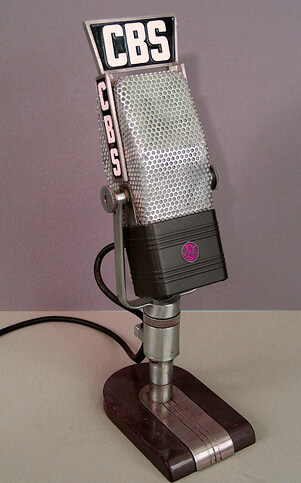
Ribbon microphones have a rich history that dates back to the early 1920s. German physicist Walter Schottky and inventor Erwin Gerlach pioneered the technology that made ribbon microphones possible. They co-invented the first ribbon microphone by using a thin metal ribbon suspended between two magnets to convert sound waves into electrical signals.
The first ribbon microphones were used primarily in the broadcast and recording industries. They quickly became popular due to their warm and natural sound, which was perfect for capturing the human voice and other acoustic instruments. The ribbon microphone’s unique design allowed it to capture sound with great accuracy, making it a valuable tool for sound engineers and musicians alike.
In the 1930s and 1940s, ribbon microphones were widely used in radio broadcasting and recording studios. They were particularly popular for capturing vocals, as they could reproduce the natural timbre and tonality of the human voice. Many iconic recordings from this era were made using ribbon microphones, including Frank Sinatra’s “I’ve Got You Under My Skin” and Billie Holiday’s “Strange Fruit.”
Over the years, ribbon microphones have evolved to become more durable and versatile. Today, they are still widely used in the music industry, particularly in the recording of acoustic instruments such as guitars, pianos, and drums. With their warm and natural sound, ribbon microphones continue to be a valuable tool for capturing the essence of live music performances.
Construction and Design of Ribbon Microphones
Ribbon microphones are unique in their design and construction. They are made up of several key components, including the ribbon element, magnetic field, body, and frame.
Ribbon Element
The ribbon element is the heart of the ribbon microphone. It is a thin, often corrugated, electrically conductive ribbon-like diaphragm that acts as a transducer, converting sound waves into audio signals. The ribbon element is typically made of aluminum, duraluminum, or nanofilm, and is placed between the poles of a magnet to produce a voltage by electromagnetic induction.
Magnetic Field
The magnetic field is another critical component of the ribbon microphone. It is created by two powerful magnets placed on either side of the ribbon element. The magnetic field is what causes the ribbon element to vibrate when sound waves hit it, generating an electrical signal that can be amplified and recorded.
Body and Frame
The body and frame of the ribbon microphone are also important. They provide a stable platform for the ribbon element and help to isolate it from external vibrations and noise. The body and frame are typically made of metal and are designed to be rugged and durable.
The design and construction of ribbon microphones are unique and specialized, allowing them to capture sound with exceptional accuracy and detail. If you’re looking for a microphone that can deliver rich, warm, and natural-sounding recordings, a ribbon microphone may be just what you need.
Working Principle of Ribbon Microphones
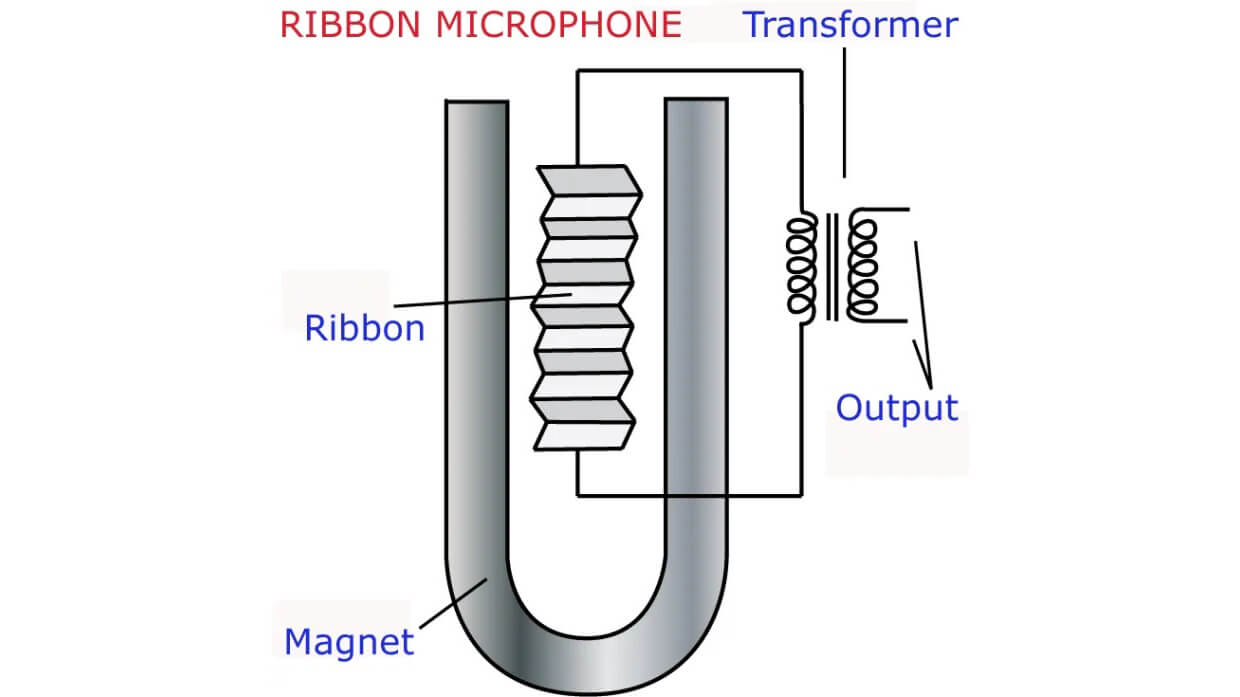
Ribbon microphones are a type of dynamic microphone that uses a thin ribbon of metal or film suspended between two magnetic poles to generate a voltage by electromagnetic induction. The ribbon acts as both the diaphragm and the transducer element, providing a sensitive and detailed response to sound waves.
Unlike traditional moving-coil dynamic microphones, the ribbon element responds to variations in the velocity of air particles, rather than the pressure. As sound waves move through the air, they cause the ribbon to vibrate, which in turn generates a voltage that is proportional to the velocity of the air particles.
One of the key advantages of ribbon microphones is their ability to capture subtle nuances in sound that might be missed by other types of microphones. Because the ribbon is so thin and lightweight, it can respond quickly to changes in air velocity, resulting in a detailed and natural-sounding recording.
However, ribbon microphones are also more fragile than other types of microphones, and care must be taken to avoid damaging the ribbon element. They are also more sensitive to wind and handling noise, so a shock mount and windscreen are often necessary to ensure a clean recording.
Advantages of Ribbon Microphones
Ribbon microphones have been around for almost a century and have been a staple in the recording industry for decades. These microphones offer a unique sound that is different from other types of microphones. In this section, we will explore some of the advantages of using ribbon microphones.
Natural Sound
One of the most significant advantages of using ribbon microphones is their ability to capture sound naturally. Ribbon microphones are known for their warm and smooth sound, which makes them ideal for recording acoustic instruments and vocals. They can capture all the subtle nuances of the sound, making the recording sound more natural and authentic.
Bidirectional Pattern
Another advantage of ribbon microphones is their bidirectional pattern. Unlike other microphones, which have a unidirectional pattern, ribbon microphones can capture sound from both the front and back of the microphone. This feature makes them ideal for recording in a studio environment, where you may want to capture sound from multiple sources.
Ribbon microphones are also known for their high sensitivity and transient response, which makes them ideal for recording high-frequency sounds. They are also passive devices, which means that they have no onboard active electronics or preamplification. This feature makes them less prone to distortion and noise, resulting in a cleaner and more accurate recording.
Disadvantages of Ribbon Microphones
Fragility
One of the main disadvantages of ribbon microphones is their fragility. The ribbon inside the microphone is extremely thin and delicate, making it vulnerable to damage from mishandling, strong winds, or even loud sounds. If the ribbon is damaged, the microphone may stop working altogether, or its sound quality may be significantly reduced. As a result, ribbon microphones require careful handling and storage to ensure their longevity.
Cost
Another potential disadvantage of ribbon microphones is their cost. Compared to other types of microphones, ribbon microphones tend to be more expensive due to their complex design and manufacturing process. Additionally, they may require specialized preamps or other equipment to achieve the desired sound quality. As a result, they may not be the best choice for those on a tight budget or those who only need a microphone for basic recording purposes.
While ribbon microphones offer many advantages, they also have some notable disadvantages, including fragility and cost. It’s important to weigh these factors carefully when considering whether a ribbon microphone is the right choice for your recording needs.
Applications of Ribbon Microphones
Ribbon microphones are versatile tools that can be used in a wide range of recording situations. They are known for their warm, natural sound, and their ability to capture detail and nuance. Here are some of the most common applications for ribbon microphones.
Studio Recording
Ribbon microphones are often used in studio recording for a variety of instruments and applications. They are particularly well-suited for recording acoustic guitars, strings, and brass instruments, as well as drum overheads and room mics. They can also be used to capture vocals, although they may not be the best choice for all singers.
Live Sound
While ribbon microphones are not as commonly used in live sound as they are in studio recording, they can still be a valuable tool for capturing the sound of acoustic instruments and vocals. They are particularly effective in situations where a natural, uncolored sound is desired.
Broadcast
Ribbon microphones are also used in broadcast applications, such as for radio and television. They are often used to capture the sound of musical performances or interviews, as they can provide a warm, natural sound that is well-suited for these types of applications.
Film and Video Production
Ribbon microphones can also be used in film and video production, particularly for capturing dialogue. They can provide a warm, natural sound that is well-suited for this type of application, and can help to create a more immersive and engaging listening experience for viewers.
Ribbon microphones are versatile tools that can be used in a wide range of recording situations, from studio recording to live sound to broadcast and film production. They are particularly well-suited for capturing the natural sound of acoustic instruments and vocals, and can provide a warm, detailed sound that is well-suited for a variety of applications.
How to Care for Ribbon Microphones
Ribbon microphones are delicate instruments that require special care to ensure their longevity and optimal performance. Here are some tips to help you care for your ribbon microphone:
- Avoid blowing into the microphone: Never blow into a ribbon microphone to test it. Talk, sing, play your harmonica, or whisper. A ribbon microphone hates wind, loudspeaker ports, and bass drums that are closely miked. The ribbon microphone “feels” the same pain as when someone yells in your ear.
- Never lay the microphone on any surface: Ribbon microphones are very sensitive to vibrations and can easily be damaged if dropped or bumped. Always use a shock mount or a microphone stand to hold the microphone.
- Protect from air blast: If you have to use the microphone outdoors, cover it with an acoustic semi-closed cell foam windscreen. Iron bits, so tiny as to pass through windscreen or foam protectors, lodge in the voice coil gaps stopping ribbon coil movement, robbing performance, first as bass frequency loss, level drop, and distortion.
- Store the microphone properly: When not in use, store the microphone in a protective case or bag. This will help prevent dust and debris from accumulating on the microphone and protect it from accidental damage.
- Clean the microphone regularly: Use a soft-bristled brush or a microfiber cloth to remove any dust or debris from the microphone. Do not use any harsh chemicals or solvents on the microphone, as this can damage the delicate ribbon element.
By following these simple tips, you can ensure that your ribbon microphone will provide you with years of reliable and high-quality performance.
Conclusion
A ribbon microphone is a unique type of dynamic microphone that uses a thin metal ribbon suspended between two magnetic poles to produce a voltage by electromagnetic induction. Unlike traditional moving-coil dynamic mics, the ribbon element responds to variations in the velocity of air particles, rather than the pressure.
Ribbon microphones are known for their warm sound and ability to handle high sound pressure levels without distortion. They are often used in recording studios for capturing the natural sound of instruments and vocals. However, they are also delicate and require careful handling to avoid damage to the ribbon element.
It is important to note that ribbon microphones are not suitable for all recording situations. They are best used in controlled environments where the sound source is relatively close to the microphone and there is little background noise. Additionally, they require a preamp with a high-impedance input to properly amplify the signal.
Ribbon microphones can be a valuable tool for recording engineers and musicians looking for a unique sound. With proper care and use, they can provide a warm, natural sound that is difficult to achieve with other microphone types.


