


Ferdinand Berthier was a remarkable figure in 19th century France who profoundly impacted deaf culture and education. Born deaf, he overcame societal barriers to become an influential educator and political organizer. He was the first deaf person to receive the prestigious Chevalier de la Légion d’honneur, a testament to his significant contributions.
His leadership extended to founding the Société Centrale des Sourds-Muets, an association that became a cornerstone in the advocacy for deaf rights. You might find it fascinating that Berthier also hosted the first silent banquet in Paris in 1834, fostering a unique sense of community among the deaf.
By exploring the life of Ferdinand Berthier, you’ll discover a pioneer who championed the rights and culture of the deaf community with fervor and intellect. His legacy continues to inspire and resonate within and beyond deaf circles. For an in-depth look at his legacy, see this detailed biography.
Early Life and Education
Ferdinand Berthier’s journey began in Louhans, Saône-et-Loire, France. His early education at the Institut National de Jeunes Sourds de Paris shaped his future path as a key advocate for deaf education and rights. Influential mentors like Abbé Roch-Ambroise Sicard and Jean Massieu played crucial roles in his development.
Birth and Family
Ferdinand Berthier was born on September 30, 1803, in Louhans, Saône-et-Loire, France. He was born into a family that faced many challenges, especially considering his deafness in a time when understanding of and support for the deaf community was minimal. Despite these challenges, his family supported his educational pursuits, which would become foundational for his later achievements in deaf education and advocacy.
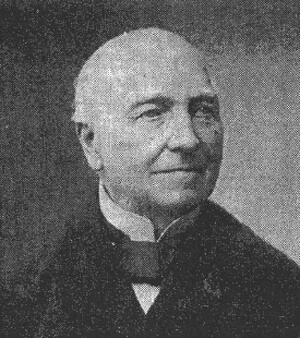
National Institute for the Deaf
At the age of eight, Berthier enrolled at the Institut National de Jeunes Sourds de Paris in 1811. This institution was one of the few places at the time dedicated to the education of the deaf. The environment at the institute was nurturing and deeply influential in shaping his educational philosophy. His time here laid the groundwork for his later work, fostering a strong sense of community and identity among deaf individuals.
Mentors and Influencers
While at the Institut National de Jeunes Sourds de Paris, Berthier was mentored by several prominent figures. Abbé Roch-Ambroise Sicard, the head of the institute, and Jean Massieu, a renowned deaf educator, provided pivotal guidance. Berthier also connected with Laurent Clerc, who later co-founded the first school for the deaf in the United States. These mentors not only propelled his academic growth but also inspired his lifelong commitment to advocating for the deaf community.
Advocacy and Leadership
Ferdinand Berthier stood out as a champion for the deaf community, founding pivotal organizations and leading significant events to advance deaf rights and advocacy.
Société Centrale des Sourds-Muets
Ferdinand Berthier founded the Société Centrale des Sourds-Muets in 1838. This organization aimed to support deaf individuals by fostering community and providing educational opportunities. You can learn more about Berthier’s role in transforming the landscape of deaf education at Ferdinand Berthier: A Visionary in Deaf Education and Advocacy.
His leadership in this society focused on uniting deaf individuals and promoting sign language as a primary mode of communication. This organization not only provided support but also advocated for rights and equality, making Berthier a central figure in deaf advocacy in France.
Silent Banquets and Deaf Rights
Berthier organized Silent Banquets, unique events where deaf individuals could communicate freely using sign language. These gatherings were a form of protest against oppressive social norms that marginalized deaf people. More information is available at Ferdinand Berthier: A Legacy of Advocacy and Innovation.
These banquets fostered a sense of community and solidarity. They were instrumental in raising public awareness about deaf rights and showcasing the capabilities and needs of the deaf community. Berthier’s innovative approach through these events highlighted the importance of dignity and human rights for deaf individuals.
Professional Accomplishments
Ferdinand Berthier stands out as a pioneer in deaf education. His contributions across teaching, literature, and advocacy earned him significant honors and recognition.
Teaching Career
Berthier began his career at the Institut National de Jeunes Sourds de Paris. He started teaching there shortly after completing his own education at the institution.
As an instructor, Berthier developed innovative teaching methods tailored to the needs of deaf students. His approaches emphasized visual learning and the use of sign language, which was groundbreaking at the time.
Under his guidance, many deaf individuals achieved academic and professional success. His efforts contributed to the recognition of deaf people as capable and intelligent members of society.
Literary Contributions
Berthier was an avid writer, producing numerous publications on deaf education and the deaf community. His works include books, articles, and essays that advocated for the rights and recognition of deaf individuals.
Among his notable publications is a biography of Abbé de l’Epée, highlighting the legacy of one of France’s foremost pioneers in deaf education.
Berthier’s writings were not only educational but also served as a voice for the deaf community. They addressed the social and political issues affecting deaf people in 19th-century France, calling for reforms and greater inclusion.
Honors and Recognition
Ferdinand Berthier received several prestigious accolades for his work. In 1849, he was made a Chevalier de la Légion d’Honneur, one of the highest distinctions in France. This honor recognized his exceptional contributions to education and advocacy for the deaf community.
His recognition as a Chevalier marked a significant moment, illustrating society’s acknowledgment of his efforts and the importance of deaf education.
Berthier’s legacy continues to inspire future generations of educators and advocates, reinforcing the importance of his work in the history of deaf rights and education.
Influence on Deaf Education
Ferdinand Berthier left an indelible mark on the field of deaf education through innovative teaching methods, advocacy for sign language, and establishing systems for adult education. His contributions continue to influence these areas significantly.
Adult Education Classes
In 1837, Ferdinand Berthier petitioned the French government to establish the Société Centrale des Sourds-muets. This organization aimed to foster a sense of community among deaf individuals worldwide. One of its core objectives was to provide adult education classes. These classes focused on enhancing literacy, job skills, and sign language proficiency.
Berthier’s adult education initiatives helped create an inclusive society where deaf people could thrive. The organization offered these classes as a form of mutual aid, aimed at improving the personal and professional lives of its members. This approach not only uplifted individuals but also worked toward collective empowerment in the deaf community.
Educational Philosophy
Berthier’s educational philosophy was innovative for its time and pivotal for advancing deaf education. He emphasized the importance of sign language as a primary mode of communication and education for deaf individuals. Unlike the oralism movement, which focused on teaching deaf students to speak and lip-read, Berthier supported a bilingual model integrating both sign language and written French.
His teaching methods laid the groundwork for future educational practices. He championed a curriculum that included not just vocational training but also cultural and literary education. This broad-based approach ensured that deaf students received a holistic education, preparing them for various aspects of life.
Berthier’s focus on sign language and his rejection of oralism contributed to more effective learning environments, allowing both students and teachers to communicate clearly and effectively. His philosophy continues to serve as a foundation for modern deaf education programs.
Sign Language and Identity
Ferdinand Berthier played a pivotal role in advocating for the use of sign language among the deaf community in 19th-century France. His efforts not only promoted the use of French Sign Language but also bolstered the sense of identity and community among deaf individuals.
French Sign Language
French Sign Language (LSF) was integral to Berthier’s mission. He believed that sign language was essential for education and social integration of deaf individuals. LSF provided a means of communication that was natural and effective for the deaf community. Berthier championed its use in schools and public life, arguing that it was indispensable for intellectual and social development.
His advocacy for LSF included writing books and articles that promoted the language. He founded the Société Centrale des Sourds-muets, emphasizing the importance of learning and using LSF. Berthier’s work ensured that LSF gained recognition and respect, making it a cornerstone of deaf education and culture.
Deaf Identity and Community
Berthier’s contributions extended beyond language. He was a passionate advocate for deaf identity and community. He believed that deaf individuals should take pride in their identity and culture, rather than feeling marginalized. Berthier organized events and gatherings that brought the deaf community together, fostering a sense of belonging and mutual support.
He also emphasized the importance of mutual aid among deaf individuals. The organizations he founded provided resources and support, helping deaf people to thrive in a society that often overlooked them. Berthier’s vision helped to establish a strong and united deaf community, one that valued its unique identity and contributions to society. For more detailed insights on his life and work, you can visit Ferdinand Berthier on Wikipedia.
Personal Life
Ferdinand Berthier was born on 30 September 1803 in Saône-et-Loire, France. From an early age, he faced the challenges of being both deaf and mute.
His personal life remained relatively private. Known for his dedication to family, Berthier cherished close relationships with his loved ones.
Despite his public achievements, he had a profound love for literature and the arts. This passion often manifested in his writings and teachings.
Berthier’s perception by others was shaped by his intellectual prowess and advocacy. He was seen as a pioneer and a symbol of hope for the deaf community.
To learn more about his biography and contributions, visit Who Was Ferdinand Berthier? and Ferdinand Berthier’s Life.
Legacy and Cultural Impact
Ferdinand Berthier’s contributions have left a lasting imprint on both 19th century perceptions of deafness and modern recognition of Deaf culture and advocacy. His legacy continues to inspire Deaf artists and activists today.
19th Century Perception
In the 19th century, Ferdinand Berthier played a crucial role in shifting societal views on deafness. Through his establishment of the Société Centrale des Sourds-muets, he fostered a sense of community among deaf individuals. This organization was a pioneering effort, aimed at uniting the deaf community and providing educational opportunities.
Berthier’s advocacy emphasized the importance of sign language, elevating it as a legitimate linguistic and cultural identity for deaf individuals. His work in deaf education helped to dismantle prevailing stigmas and misconceptions.
Efforts by Berthier made significant strides in acknowledging the capabilities and rights of deaf people. His influence extended to political arenas, where he campaigned for the recognition of sign language in educational institutions.
Modern Recognition
Today, Ferdinand Berthier is celebrated as a visionary in Deaf education and advocacy. Modern recognition of his contributions includes various awards and commemorations, such as the Google Doodle that honored his work and legacy.
His impact is evident in modern Deaf culture, where his advocacy for sign language resonates strongly. Berthier’s efforts have paved the way for contemporary Deaf artists and activists who continue to fight for equality and recognition.
Educational institutions and cultural organizations often acknowledge Berthier’s work. His legacy serves as a foundation for ongoing efforts to promote Deaf rights and awareness, proving that his contributions are as relevant today as they were in his time.
Bibliography
Ferdinand Berthier was a pioneering figure in the 19th-century deaf community. His works significantly impacted deaf education and advocacy.
Publications
Berthier authored several important works on deaf culture and education. His notable publications include:
- “Memoire sur l’etat des sourds-muets qui sont nes ainsi” (1834), which provides insights into the lives of deaf individuals.
- “Histoire veritable de sourds-muets” (1840), a historical account of the deaf community.
These works reflect your commitment to advancing understanding and improving the lives of deaf people.
Sign-Language Poets
Berthier played a significant role in promoting sign-language poetry, a unique and expressive art form. He organized events known as Deaf Banquets, where you would celebrate and showcase the talents of deaf poets. These gatherings were instrumental in fostering a sense of community and identity among deaf individuals.
Advocacy and Legacy
Berthier co-founded the Société Centrale des Sourds-Muets in 1838, which aimed to advocate for deaf people’s rights. This organization contributed to the recognition and preservation of sign language.
For more detailed information, you can explore resources such as Wikipedia or specialized articles from Hearing Health & Technology Matters.
Berthier’s contributions continue to inspire and influence the ongoing efforts to support and empower the deaf community.
Frequently Asked Questions
Ferdinand Berthier was a pivotal figure in advancing the rights and education of the deaf community in 19th century France. His efforts significantly impacted sign language recognition, deaf culture, and the establishment of support structures for deaf individuals.
What significant role did Ferdinand Berthier play within the deaf community?
Ferdinand Berthier was a prominent educator and advocate for the deaf. He championed the cause of deaf identity and culture, and was instrumental in founding the first deaf society in 1834, which advanced advocacy and support for deaf individuals.
How did 1834 mark a turning point for the deaf community in Paris?
In 1834, Ferdinand Berthier founded the first deaf society in Paris. This organization provided a platform for deaf people to unite, advocate for their rights, and create a strong sense of community, ultimately helping to empower the deaf population in Paris and beyond.
What were the key services provided by Berthier’s organization to support deaf workers?
Berthier’s organization offered various support services for deaf workers, including educational programs, employment assistance, and social support networks. These services aimed to improve the quality of life and opportunities available to deaf individuals in the workforce.
Which influential figures shaped Berthier’s philosophies and approach while at the educational institution for the deaf?
During his time at the National Institution for Deaf-Mutes in Paris, Berthier was influenced by prominent figures such as the institution’s founder, Abbé de l’Épée, and his successor, Abbé Sicard. These educators shaped Berthier’s philosophies on deaf education and advocacy.
How did Ferdinand Berthier contribute to deaf education and advocacy?
Berthier made significant contributions to deaf education by developing innovative teaching methods that improved literacy rates among deaf students. His advocacy efforts included organizing social and political activities that promoted the rights and integration of deaf individuals into society.
What impact did Ferdinand Berthier have on the recognition of sign language and deaf culture?
Berthier played a crucial role in promoting the recognition of sign language as a legitimate form of communication. His efforts helped elevate deaf culture, ensuring that deaf people’s linguistic and cultural practices were acknowledged and respected within broader society.

