

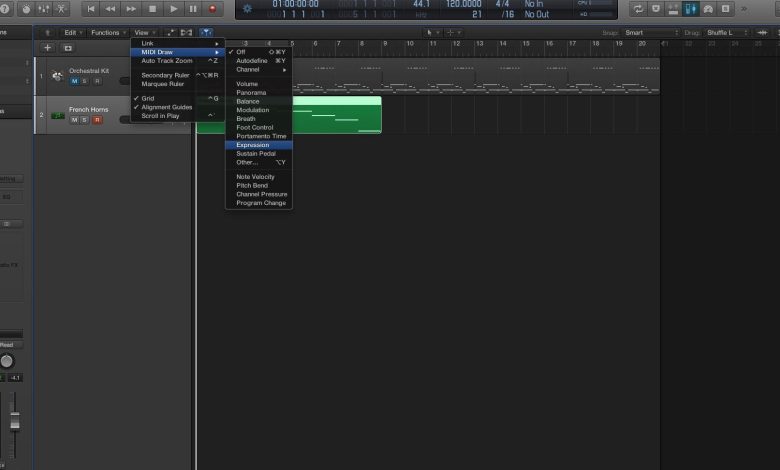
If you’re looking to add a crescendo to your music in FL Studio, you’ve come to the right place. A crescendo, also known as a “swell,” is a gradual increase in volume that can add a lot of energy and excitement to your music. Fortunately, adding a crescendo in FL Studio is a relatively simple process that can be accomplished in a few different ways.
One popular way to add a crescendo in FL Studio is to use the volume automation feature. This allows you to create a curve that gradually increases the volume of a particular track or instrument over time. You can also use the Peak Controller to create a crescendo effect, which involves linking the volume of one track to the output of another. Finally, you can use sound effects like risers and upfilters to create a crescendo effect that adds drama and anticipation to your music.
Understanding Crescendo Basics
Crescendo is a musical term that refers to a gradual increase in volume or intensity of a sound. It is a technique used by composers to create a sense of tension, excitement, and anticipation in their music. In FL Studio, you can use the Crescendo feature to add a gradual increase in volume to your music.
To add a Crescendo in FL Studio, you need to first select the note or notes you want to apply the effect to. Then, you need to open the Piano Roll editor and click on the “Crescendo” button in the toolbar. This will bring up the Crescendo editor, where you can adjust the parameters of the Crescendo effect.
The Crescendo editor allows you to adjust the length, start and end values, and shape of the Crescendo effect. The length parameter determines how long the Crescendo effect will last, while the start and end values determine the volume levels at the beginning and end of the effect. The shape parameter allows you to adjust the curve of the Crescendo effect, from linear to exponential.
It is important to note that the Crescendo effect only applies to the selected notes in the Piano Roll editor. If you want to apply the effect to multiple notes, you need to select them all before opening the Crescendo editor. Additionally, the Crescendo effect can be combined with other effects, such as reverb or delay, to create more complex and dynamic sounds.
understanding the basics of Crescendo is essential for any FL Studio user who wants to add more depth and emotion to their music. With the right technique and a little creativity, you can use Crescendo to create powerful and memorable musical moments.
Getting Started with FL Studio
If you’re new to FL Studio, it can be a bit overwhelming at first. But don’t worry, with a little bit of practice, you’ll be creating your own music in no time.
Here are a few tips to help you get started:
1. Familiarize Yourself with the Interface
Take some time to explore the different sections of the interface. The Playlist, Piano Roll, and Mixer are the main components you’ll be working with.
2. Learn the Keyboard Shortcuts
Learning the keyboard shortcuts can save you a lot of time and make your workflow much smoother. Here are a few basic shortcuts to get you started:
| Shortcut | Function |
|---|---|
| Ctrl + N | New project |
| Ctrl + S | Save project |
| Ctrl + Z | Undo |
| Ctrl + Y | Redo |
| Spacebar | Play/Pause |
3. Start with a Simple Project
Don’t try to create a masterpiece right off the bat. Start with a simple project, like a basic drum beat, and build from there.
4. Use the Help Menu
If you’re not sure how to do something, don’t be afraid to use the Help menu. It’s a great resource for learning how to use FL Studio.
5. Practice, Practice, Practice
The more you practice, the better you’ll get. Don’t get discouraged if your first few projects don’t turn out the way you want them to. Keep practicing and you’ll get there.
With these tips, you should be well on your way to creating your own music in FL Studio.
Adding a Crescendo in FL Studio
Choosing the Right Plugin
When it comes to adding a crescendo in FL Studio, there are several plugins to choose from. Some of the most popular plugins for creating crescendos include Fruity Limiter, Fruity Compressor, and Fruity Maximus. Each of these plugins has its own unique features and capabilities, so it’s important to choose the one that best fits your needs.
Fruity Limiter is a great choice for creating a smooth and gradual crescendo. This plugin allows you to adjust the input and output gain, as well as the attack and release times, to create a customized crescendo effect. Fruity Compressor, on the other hand, is ideal for creating a more dramatic and impactful crescendo. This plugin allows you to adjust the ratio, threshold, and attack and release times to create a powerful and dynamic effect. Finally, Fruity Maximus is a versatile plugin that can be used to create both subtle and intense crescendos. This plugin allows you to adjust the attack, release, and sustain times, as well as the level and stereo width, to create a wide range of crescendo effects.
Setting Crescendo Parameters
Once you’ve chosen the right plugin for your needs, it’s time to start setting the crescendo parameters. The first step is to determine the starting and ending volume levels for your track. This will help you determine the range of the crescendo and ensure that it fits seamlessly into your overall composition.
Next, you’ll want to adjust the attack and release times to create the desired level of intensity and impact. A shorter attack time will create a more sudden and dramatic effect, while a longer attack time will create a smoother and more gradual effect. Similarly, a shorter release time will create a more abrupt and sudden drop in volume, while a longer release time will create a more gradual and subtle effect.
Finally, you’ll want to adjust the sustain time to ensure that the crescendo reaches its peak at the right moment. This will help you create a powerful and impactful effect that will grab the listener’s attention and keep them engaged throughout your track.
adding a crescendo in FL Studio is a great way to add depth and emotion to your music. By choosing the right plugin and setting the parameters carefully, you can create a customized crescendo effect that perfectly fits your composition and captures the listener’s attention.
Advanced Crescendo Techniques
Using Automation Clips
One of the most effective ways to add a crescendo to your track in FL Studio is by using automation clips. Automation clips allow you to automate any parameter in FL Studio, including volume, panning, and effects. To create an automation clip for volume, simply right-click on the volume knob of the mixer channel you want to automate, select “Create automation clip,” and then draw in the desired volume curve using the automation clip editor.
To create a crescendo using an automation clip, start with a low volume and gradually increase it over time. You can also use automation clips to add other effects, such as reverb or delay, to create a more dynamic crescendo.
Layering Sounds for Crescendo
Another technique for creating a powerful crescendo is by layering sounds. Layering sounds involves stacking multiple sounds on top of each other to create a more complex and full-bodied sound. To create a crescendo using layering, start with a simple sound, such as a piano or synth, and gradually add more layers, such as strings or brass, as the volume increases.
When layering sounds, it’s important to ensure that each sound complements the others and doesn’t clash or create unwanted frequencies. Use EQ and other effects to shape each sound and ensure that they fit together seamlessly.
adding a crescendo to your track in FL Studio can be a powerful way to create tension and excitement. By using automation clips and layering sounds, you can create a dynamic and engaging crescendo that will keep your listeners hooked.
Troubleshooting Common Issues
FL Studio is a powerful digital audio workstation that allows you to create music in a variety of styles. However, like any software, it can sometimes encounter issues that can be frustrating to deal with. Here are some common issues that users face and how to troubleshoot them.
Audio Glitches and Stutters
If you’re experiencing audio glitches or stutters while using FL Studio, there are a few things you can try to resolve the issue:
- Check your computer’s system requirements to ensure that it meets the minimum requirements to run FL Studio.
- Ensure that your sound card drivers are up to date.
- Close any unnecessary programs or applications that may be running in the background.
- Increase the buffer size in the audio settings to reduce the strain on your computer’s CPU.
Crashing or Freezing
If FL Studio is crashing or freezing while you’re working on a project, here are some things you can try:
- Save your project frequently to avoid losing progress.
- Check to make sure that all of your plugins and software are up to date.
- Disable any plugins or effects that may be causing the issue.
- Try increasing the buffer size in the audio settings.
Crescendo Not Working
If you’re having trouble getting a crescendo to work in FL Studio, here are some things to check:
- Make sure that the channel volume automation is enabled.
- Double-check that you’ve set the correct parameters for the crescendo.
- Ensure that the crescendo is placed in the correct position in the playlist.
- Try adjusting the velocity or volume of the notes leading up to the crescendo.
By following these troubleshooting tips, you can resolve many of the common issues that users face while working in FL Studio. If you’re still having trouble, you can always reach out to the FL Studio support team for further assistance.
Conclusion
adding a crescendo to your music in FL Studio is a great way to create a sense of tension and excitement. By gradually increasing the volume of your instruments, you can build up to a powerful climax that will leave your listeners wanting more.
There are several ways to add a crescendo in FL Studio, including using automation clips, volume envelopes, and sound effects. Each method has its own advantages and disadvantages, so it’s important to experiment and find the one that works best for you.
Remember to keep your crescendos in context with the rest of your music. A well-placed crescendo can add a lot of impact to a song, but if used too often or too aggressively, it can quickly become tiresome.
adding a crescendo in FL Studio is a simple yet effective way to take your music to the next level. With a little practice and experimentation, you’ll be able to create powerful, dynamic tracks that will keep your listeners engaged from start to finish.


