


Dynamic microphones are a popular type of microphone used in a variety of settings, from live performances to recording studios. They are known for their durability and ability to handle high sound pressure levels, making them a favorite among musicians and sound engineers alike.
At their core, dynamic microphones are transducers that convert mechanical energy (vibrations in the air) into electrical energy (an audio signal). They accomplish this by using a diaphragm attached to a coil of wire that moves within a magnetic field. As the diaphragm vibrates in response to sound waves, it causes the coil to move, creating an electrical current that corresponds to the sound.
One of the benefits of dynamic microphones is their ability to handle loud sounds without distortion. They are also less sensitive to high frequencies, which can make them a good choice for recording instruments with a lot of low-end, such as drums or bass guitar. dynamic microphones are a versatile and reliable tool for capturing sound in a variety of settings.
What is a Dynamic Microphone?
Dynamic microphones are a type of transducer audio device that converts sound waves into electrical energy. They are commonly used in live performances, recording studios, and broadcasting applications.
Unlike condenser microphones, dynamic microphones are rugged and durable, making them ideal for use on the road. They are also less sensitive to high-frequency content, which can be a disadvantage when recording important audio.
The way dynamic microphones work is fairly simple. Inside the microphone capsule, a magnet creates a magnetic field that surrounds a small, movable induction coil that’s attached to a diaphragm. When sound waves enter the microphone, they push and pull on the diaphragm, which causes the coil to move, creating a voltage induced by the magnetic field. This voltage is then sent through the microphone cable to an amplifier or recording device.
Dynamic microphones are often used for recording vocals, guitar amps, drums, and other loud instruments. They are also frequently used in podcasting and broadcasting applications due to their durability and reliability. dynamic microphones are an essential tool for any musician or audio professional looking to capture high-quality sound.
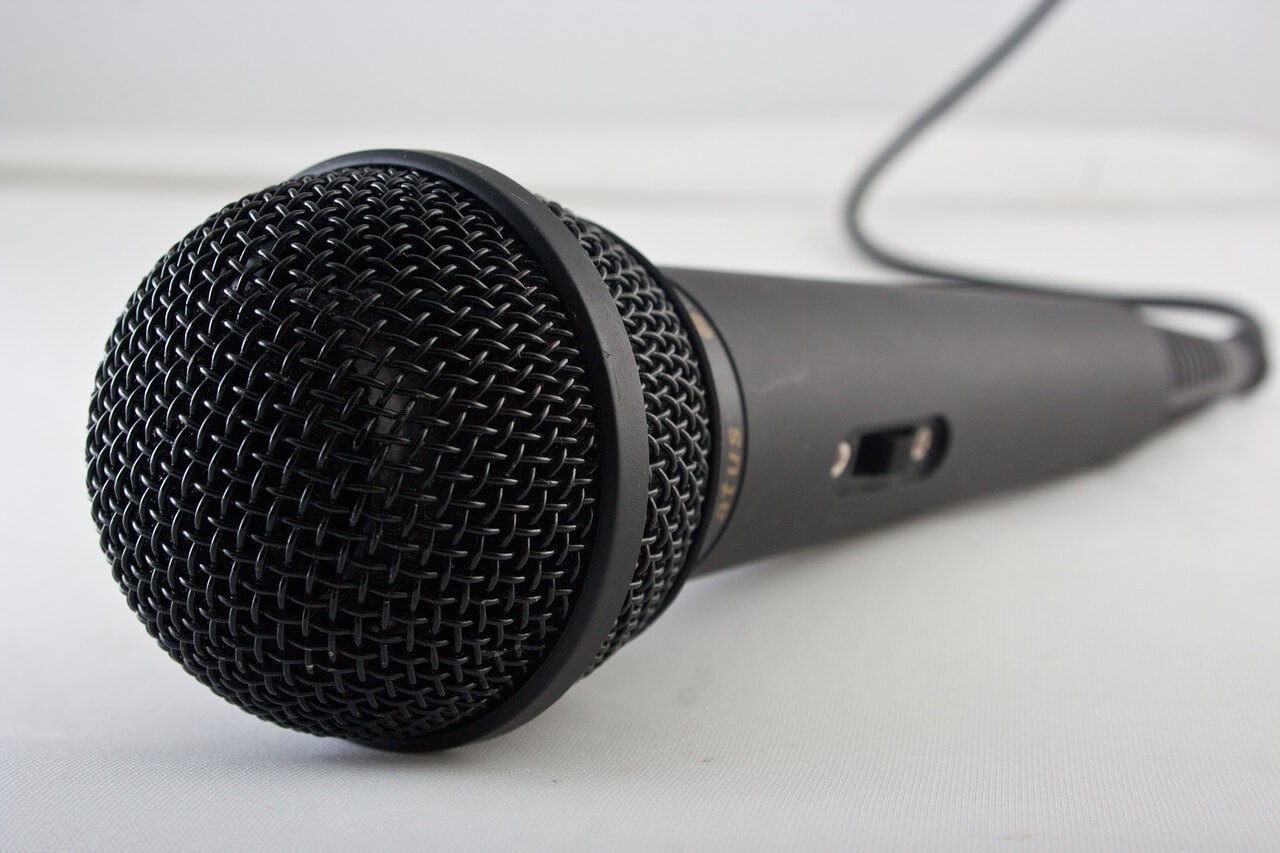
Working Principle of Dynamic Microphones
Dynamic microphones are a type of microphone that operate on the principle of electromagnetic induction. They are widely used in various applications, such as live performances, recording studios, and broadcasting. In this section, we will discuss the working principle of dynamic microphones in detail.
Diaphragm
The diaphragm is a thin metallic membrane that is attached to a coil of wire. When sound waves hit the diaphragm, it vibrates in response to the sound wave. This vibration causes the coil of wire to move back and forth within a magnetic field.
Voice Coil
The coil of wire attached to the diaphragm is known as the voice coil. As the diaphragm vibrates, the voice coil moves back and forth within the magnetic field. This movement generates an electrical signal that corresponds to the sound wave.
Magnet
The magnetic field is generated by a permanent magnet located within the microphone. The magnet surrounds the voice coil and creates a magnetic field that interacts with the movement of the coil. This interaction generates an electrical signal that is proportional to the sound wave.
Types of Dynamic Microphones
Dynamic microphones come in different types, each with its unique characteristics and uses. In this section, we will discuss two types of dynamic microphones: moving coil microphones and ribbon microphones.
Moving Coil Microphones
Moving coil microphones, also known as dynamic microphones, are the most common type of dynamic microphones. They work by using a diaphragm that vibrates when sound waves hit it. The diaphragm is attached to a coil of wire that moves back and forth within a magnetic field. This motion generates an electrical signal that is then sent to the recording device or sound system.
Moving coil microphones are known for their durability and versatility. They can handle high sound pressure levels without distortion, making them ideal for recording loud sources like drums and guitar amps. They also have a relatively flat frequency response, which means they can capture a wide range of frequencies accurately.

Ribbon Microphones
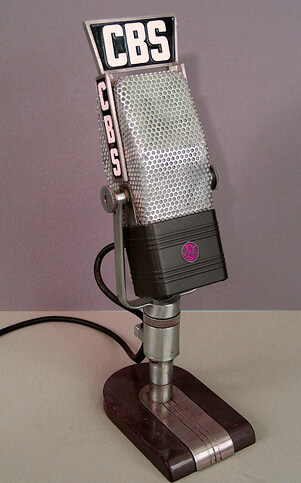
Ribbon microphones are another type of dynamic microphone that uses a thin strip of metal, typically made of aluminum, as its diaphragm. The ribbon is suspended within a magnetic field, and when sound waves hit it, it vibrates back and forth, generating an electrical signal.
Ribbon microphones are known for their warm, natural sound and their ability to capture high-frequency detail. They are often used for recording vocals, strings, and brass instruments. However, they are more fragile than moving coil microphones and require careful handling to avoid damage.
Applications of Dynamic Microphones
Dynamic microphones are versatile audio devices that are widely used in various applications. They are known for their durability, affordability, and ability to handle high sound pressure levels. In this section, we will discuss the two main applications of dynamic microphones: live sound and studio recording.
Live Sound
Dynamic microphones are commonly used in live sound applications, such as concerts, speeches, and conferences. They are preferred over other types of microphones because they are less sensitive to feedback and can handle high sound pressure levels without distortion.
One of the most common uses of dynamic microphones in live sound is for vocals. They are ideal for capturing the energy and dynamics of a live performance. Dynamic microphones can also be used for miking instruments, such as drums, guitar amps, and bass amps. They can handle the loud volumes produced by these instruments without distorting the sound.
Another advantage of dynamic microphones in live sound is their durability. They can withstand the rigors of touring and can handle accidental drops and bumps. They also do not require external power, making them easy to set up and use.
Studio Recording
Dynamic microphones are also used in studio recording, although they are not as commonly used as condenser microphones. However, they can be a useful tool in certain recording situations.
One of the advantages of dynamic microphones in studio recording is their ability to handle high sound pressure levels. This makes them ideal for miking loud instruments, such as drums and guitar amps. They can also be used for recording vocals, although they may not provide the same level of detail and clarity as condenser microphones.
Another advantage of dynamic microphones in studio recording is their ability to reject ambient noise. This makes them ideal for recording in noisy environments, such as live rooms or outdoor locations.
Advantages and Disadvantages of Dynamic Microphones
Advantages
Dynamic microphones have a number of advantages that make them a popular choice for many applications. Here are some of the main advantages:
- Durability: Dynamic microphones are rugged and can withstand high sound pressure levels, making them ideal for use in live performances and recording sessions. They are less likely to be damaged by accidental drops or bumps.
- No power source required: Dynamic microphones do not require any external power source to operate. This makes them easy to use and convenient, especially in situations where a power source may not be readily available.
- Affordability: Dynamic microphones are generally less expensive than other types of microphones, making them a great option for those on a budget.
- Versatility: Dynamic microphones are capable of capturing a wide range of sounds, from vocals to drums to guitars. They are also effective in rejecting unwanted noise and feedback.
Disadvantages
While dynamic microphones have many advantages, there are also some disadvantages to consider:
- Less sensitive: Dynamic microphones are less sensitive than other types of microphones, such as condenser microphones. This means that they may not pick up subtle nuances in sound as well.
- Limited frequency response: Dynamic microphones have a limited frequency response compared to other types of microphones. This means that they may not be the best choice for recording high-frequency sounds, such as cymbals or flutes.
- Heavier weight: Dynamic microphones tend to be heavier than other types of microphones, which can make them more difficult to handle over long periods of time.
- Less suitable for studio recording: While dynamic microphones are great for live performances, they may not be the best choice for studio recording. This is because they may not capture the full range of sound frequencies as accurately as other types of microphones.
Dynamic microphones have many advantages that make them a popular choice for musicians, public speakers, and others who need to amplify their voice or instrument. However, they also have some disadvantages that should be taken into consideration when choosing a microphone for a specific application.
Choosing the Right Dynamic Microphone
Choosing the right dynamic microphone can be a daunting task, especially if you’re new to the world of audio recording. Here are a few things to consider when selecting a dynamic microphone:
Application
The first thing to consider is the application. Are you recording vocals, instruments, or both? Different dynamic microphones are designed for different applications, so it’s important to select a microphone that is suitable for your needs.
Polar Pattern
The polar pattern of a microphone determines how it picks up sound. Some dynamic microphones have a cardioid polar pattern, which means they pick up sound from the front and reject sound from the sides and rear. Others have an omnidirectional polar pattern, which means they pick up sound from all directions.
Frequency Response
The frequency response of a microphone refers to the range of frequencies it can pick up. Some dynamic microphones are designed to emphasize certain frequencies, such as those in the midrange, while others are designed to be more neutral.
Sensitivity
The sensitivity of a microphone refers to how well it can pick up quiet sounds. Some dynamic microphones have a low sensitivity, which means they are best suited for loud sources, while others have a higher sensitivity and can pick up quieter sounds.
Durability
Finally, it’s important to consider the durability of the microphone. Dynamic microphones are generally more durable than condenser microphones, but some models are more rugged than others. Look for a microphone that is built to withstand the rigors of your recording environment.
By considering these factors, you can choose the right dynamic microphone for your needs and achieve the best possible sound quality in your recordings.
Conclusion
Dynamic microphones are a versatile and reliable type of microphone that can be used for many applications. They are capable of producing an excellent sound and are suitably rugged, making them great for traveling on the road.
Dynamic microphones are often preferred for recording loud sound sources such as drums and guitar cabinets due to their ability to handle high sound pressure levels without distortion. They are also commonly used for live performances due to their durability and resistance to feedback.
While dynamic microphones can be used for a wide range of recording applications, they are best avoided when recording high-frequency content on an important recording. In these cases, a condenser microphone may be a better choice.


