

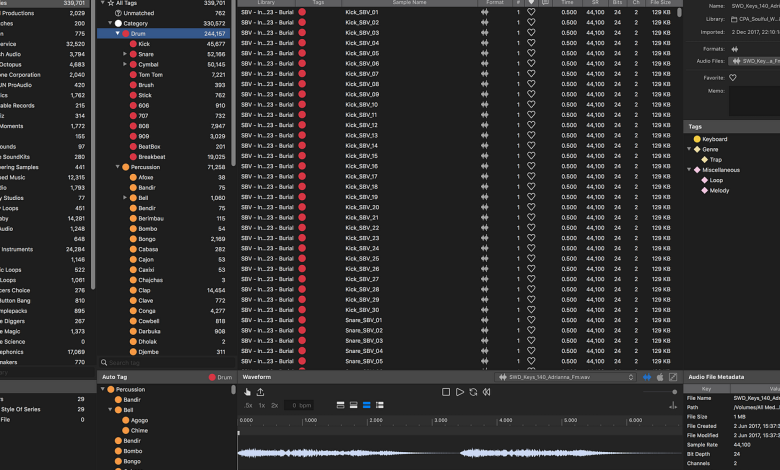
Are you struggling to keep your Pro Tools plugin list organized? Don’t worry, you’re not alone. With so many plugins available, it can be challenging to keep track of them all. However, organizing your plugins can save you time and make your workflow more efficient. In this article, we’ll provide some tips and tricks for organizing your plugins in Pro Tools.
One of the first steps to organizing your plugins in Pro Tools is to categorize them. You can categorize your plugins by manufacturer, type, or even by the frequency range they affect. This will help you quickly find the plugin you need and keep your list organized. Additionally, you can color-code your plugins to make them easier to identify. By doing so, you can quickly spot which plugins belong to which category.
Understanding Pro Tools Plugins
Pro Tools is a digital audio workstation that provides a wide range of plugins to enhance your audio production. Plugins are software programs that can be added to Pro Tools to perform various audio processing tasks. They can be used to add effects, improve audio quality, and manipulate sound in many ways.
Plugins in Pro Tools can be categorized into three types:
-
AudioSuite Plugins: These plugins are used to process audio files offline. They are useful for tasks such as noise reduction, pitch correction, and time-stretching.
-
Real-Time Plugins: These plugins are used to process audio in real-time during playback or recording. They are useful for tasks such as adding effects, EQ, and compression.
-
Virtual Instruments: These plugins are used to create and play back musical instruments. They are useful for tasks such as creating drum tracks, synthesizer sounds, and more.
Pro Tools comes with a wide range of built-in plugins, but you can also purchase additional plugins from third-party developers. Some popular plugin developers include Waves, Native Instruments, and FabFilter.
Plugins can be organized in Pro Tools by manufacturer, category, or both. Organizing plugins can help you quickly find the plugin you need and improve your workflow. To organize plugins in Pro Tools, go to the Plugin menu and select Organize Plugins. From there, you can choose how you want to organize your plugins.
understanding Pro Tools plugins is essential for improving your audio production skills. Whether you are a beginner or an experienced audio engineer, organizing your plugins can help you work more efficiently and achieve better results.
Categorizing Your Plugins
When it comes to organizing your plugins in Pro Tools, one of the most effective ways is to categorize them. This makes it easier to find the right plugin for the task at hand and can save you time in the long run. Here are two ways to categorize your plugins:
By Function
One way to categorize your plugins is by their function. This means grouping them based on what they do. For example, you might group all of your EQ plugins together, all of your reverb plugins together, and so on. Here are some common plugin functions:
- EQ
- Compression
- Reverb
- Delay
- Distortion
- Modulation
By grouping your plugins by function, you can quickly find the right tool for the job. It also helps you avoid using the wrong plugin accidentally, which can waste time and cause frustration.
By Frequency of Use
Another way to categorize your plugins is by how often you use them. This means grouping them based on how frequently you reach for them. For example, you might have a group of plugins that you use on every mix, and another group that you only use occasionally. Here are some ways you could group your plugins by frequency of use:
- Essential plugins (used on every mix)
- Specialty plugins (used for specific tasks)
- Experimental plugins (used for creative exploration)
By grouping your plugins by frequency of use, you can keep your most important tools easily accessible and avoid cluttering your workspace with plugins you rarely use.
categorizing your plugins is a great way to keep your workflow organized and efficient. By grouping your plugins by function and frequency of use, you can quickly find the right tool for the job and avoid wasting time searching through a long list of plugins.
Creating a Plugin Folder Structure
When it comes to organizing your plugins in Pro Tools, creating a folder structure can be a helpful way to keep everything in order. Here are a few steps to get started:
- Open the Plugin folder in Pro Tools by clicking on the “Plug-Ins” button in the Edit window.
- Create a new folder by clicking the “New Folder” button.
- Name the folder something descriptive, such as “EQ Plugins” or “Reverb Plugins”.
- Drag and drop plugins from the main Plugin folder into the new folder.
- Repeat these steps for each category of plugins you want to organize.
By creating a folder structure, you can easily locate the plugins you need for a particular task. For example, if you’re working on a mix and need to add some compression, you can quickly navigate to your “Compressor Plugins” folder and select the one you want to use.
It’s also a good idea to keep your folder structure consistent across projects. This way, you can quickly find the plugins you need, regardless of which project you’re working on.
taking the time to create a plugin folder structure can save you time and frustration in the long run. It’s a simple step that can make a big difference in your workflow.
Using Plugin Lists and Presets
Creating Plugin Lists
One of the most useful features in Pro Tools is the ability to create custom plugin lists. This allows you to group your plugins together in a way that makes sense to you, and quickly access them when you need them.
To create a plugin list, simply open the Plugin List window (Shift+Option+K on a Mac, or Shift+Alt+K on a PC), and click the “New” button. You can then give your list a name and start adding plugins to it. You can also drag and drop plugins from your inserts or sends to add them to your list.
Using Presets
Another way to save time when working with plugins is to use presets. Most plugins come with a variety of presets that you can use as a starting point for your own settings.
To access presets, simply click the preset dropdown menu in the plugin window. You can then browse through the available presets and select the one that best fits your needs.
You can also create your own presets by adjusting the plugin settings to your liking and then clicking the “Save” button. This will allow you to quickly recall your settings later on.
using plugin lists and presets can save you a lot of time when working in Pro Tools. By organizing your plugins and using presets, you can streamline your workflow and focus on creating great music.
Managing Plugin Updates
Keeping your plugins up to date is essential to ensure that they work properly and don’t cause issues in your Pro Tools sessions. Here are a few tips on managing plugin updates:
-
Check for updates regularly: Most plugin manufacturers release updates periodically to fix bugs, improve performance, and add new features. It’s a good idea to check for updates regularly and install them as soon as they become available. You can usually find update notifications on the manufacturer’s website or in your plugin manager.
-
Keep track of your plugins: It’s important to keep track of which plugins you have installed and which versions you’re using. This can help you identify which plugins need updating and ensure that you’re using the latest versions. You can use a spreadsheet or a plugin manager to keep track of your plugins.
-
Backup your plugins: Before updating your plugins, it’s a good idea to backup your current versions in case something goes wrong. You can do this by copying the plugin files to a separate folder or using a backup tool.
-
Read the release notes: Before installing an update, it’s a good idea to read the release notes to see what changes have been made. This can help you decide whether the update is necessary and whether it will affect your workflow.
-
Test the updated plugins: After installing an update, it’s a good idea to test the updated plugins to make sure they work properly and don’t cause any issues in your Pro Tools sessions. You can do this by creating a test session and adding the updated plugins to it.
By following these tips, you can ensure that your plugins are up to date and working properly, which can help you create better mixes and save time in the long run.
Troubleshooting Common Plugin Issues
When dealing with plugins in Pro Tools, it’s not uncommon to run into issues. Here are some common problems you may encounter and how to troubleshoot them:
Problem: Plugins not showing up in Pro Tools
Solution: The first thing to check is if the plugin is compatible with your version of Pro Tools. If it is, try organizing your plugins by manufacturer in Pro Tools Preferences. Then, create a mono and stereo track to see if the issue is fixed.
Problem: Plugins causing Pro Tools to crash
Solution: This could be caused by a variety of issues, such as outdated plugins or conflicts between plugins. Try updating your plugins and Pro Tools to the latest version. If the problem persists, try removing the problematic plugin and see if that solves the issue.
Problem: Plugins not working as expected
Solution: Make sure the plugin is compatible with your version of Pro Tools. Also, check if the plugin is correctly installed and authorized. If the issue persists, try resetting the plugin’s preferences or contacting the plugin manufacturer for support.
By following these troubleshooting tips, you can quickly resolve common plugin issues in Pro Tools and get back to making music.
Conclusion
organizing your plugins in Pro Tools can greatly improve your workflow and productivity. By creating custom folders, hiding unused plugins, and favoriting your most frequently used plugins, you can easily access the tools you need without wasting time searching through a cluttered list.
Remember to regularly review and update your plugin organization to ensure it continues to meet your evolving needs. And don’t be afraid to experiment with different organizational methods to find what works best for you.
By following the tips and techniques outlined in this article, you can take control of your Pro Tools plugin library and streamline your creative process. Happy organizing!


