

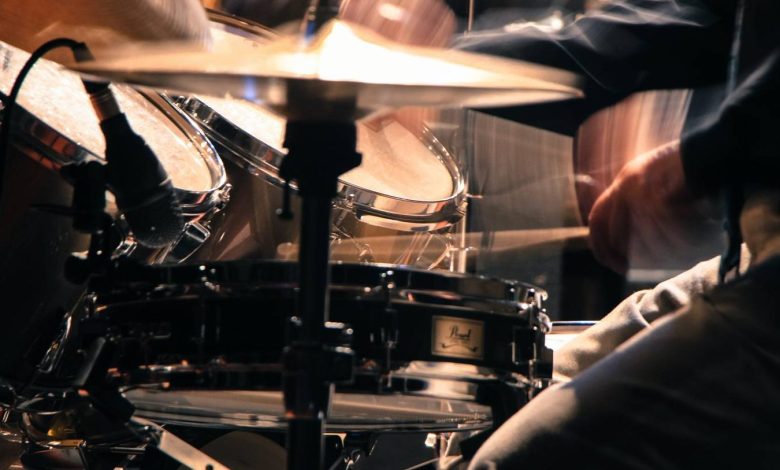
Syncopated rhythms are a fundamental element of many musical genres, including jazz, funk, and hip-hop. At its core, syncopation is a rhythmic technique that involves playing off the beat. This means that instead of emphasizing the downbeat, the rhythm emphasizes the offbeat or the spaces between the beats.
A syncopated rhythm can sound complex and intricate, with unexpected accents and off-kilter rhythms. It can be challenging to play and requires a high level of skill and coordination. However, when done well, a syncopated rhythm can add a level of excitement and energy to a piece of music, driving the groove and making the listener want to move. Whether you’re tapping your foot or dancing along, a good syncopated rhythm can be infectious and irresistible.
Understanding Rhythm
Rhythm is the backbone of music. It is the pattern of sounds and silences that give music its groove and feel. Rhythm is what makes you tap your foot or nod your head along with the beat. It is what makes music come alive.
At its core, rhythm is all about timing. It is the way that musicians organize sound over time. It is the relationship between notes and rests, beats and accents, and the way they all fit together to create a musical phrase.
One of the most important aspects of rhythm is the concept of meter. Meter is the underlying pulse or beat of a piece of music. It is what gives music its sense of stability and structure. Most music is organized into a specific meter, such as 4/4, 3/4, or 6/8. These numbers tell you how many beats are in each measure and what kind of note gets the beat.
Another important aspect of rhythm is syncopation. Syncopation is when the emphasis is placed on the off-beat or between the beats. It is what gives music its sense of groove and swing. Syncopation can be achieved through a variety of techniques, such as using rests, ties, and dotted notes.
When you listen to music, try to pay attention to the rhythm. Listen to the way the notes and rests are organized and how they fit together to create a musical phrase. Pay attention to the meter and the way the beats are emphasized. Try to identify any syncopated rhythms and how they add to the overall feel of the music.
understanding rhythm is key to understanding music. It is the foundation upon which all music is built. By paying attention to the meter, syncopation, and overall groove of a piece of music, you can gain a deeper appreciation for the art form and the way it moves and grooves.
Basics of Syncopation
Syncopation is a rhythmic technique used in music to create a unique and interesting sound. It is achieved by emphasizing the off-beats or weak beats in a measure, instead of the strong beats. This creates a feeling of tension and release, adding a sense of complexity and excitement to the music.
Syncopation can be found in many different genres of music, including jazz, funk, and Latin music. It is often used in dance music to create a driving rhythm that encourages movement and energy.
One of the simplest ways to create a syncopated rhythm is by accentuating the upbeat or the off-beat. For example, in a 4/4 time signature, the first and third beats are typically emphasized. To create a syncopated rhythm, you would accentuate the second and fourth beats instead.
Another way to create syncopation is by using rests and subdivisions. By placing rests or shorter notes in between the emphasized beats, you create a sense of anticipation and release. This can be seen in many Latin rhythms, where the emphasis is often placed on the off-beats, creating a lively and energetic sound.
syncopation is a powerful tool for creating unique and interesting rhythms in music. By emphasizing the off-beats and using rests and subdivisions, you can create a sense of tension and release that adds energy and excitement to your music.
Sound of Syncopated Rhythm
Syncopated rhythm is a musical technique that is used to create a unique sound in a piece of music. It is characterized by emphasizing the off-beat notes of a song, which creates a feeling of tension and release. Syncopated rhythms can be found in many different genres of music, including jazz, funk, and Latin music.
One of the most distinctive features of syncopated rhythm is the way that it can make a song feel like it is constantly shifting and evolving. Instead of following a predictable pattern, syncopated rhythms create a sense of unpredictability and excitement. This can make it difficult for listeners to predict what is going to happen next, which can add to the overall energy and excitement of a piece of music.
Another key characteristic of syncopated rhythm is the way that it can create a feeling of tension and release. By emphasizing the off-beat notes of a song, syncopated rhythms create a sense of anticipation that is then resolved when the song returns to the main beat. This can create a feeling of release and satisfaction that can be very satisfying for listeners.
the sound of syncopated rhythm is one that is both exciting and unpredictable. Whether you are listening to jazz, funk, or Latin music, syncopated rhythms can add an extra layer of energy and excitement to any piece of music. So the next time you are listening to your favorite song, try to listen for the syncopated rhythms and see if you can feel the tension and release that they create.
Syncopation in Different Music Genres
Syncopation is a rhythmic technique that is used in various music genres to create a unique and exciting sound. It involves accenting notes that are not typically emphasized in a regular beat, creating a sense of tension and release. Here are some examples of how syncopation is used in different music genres.
Jazz
Jazz music is known for its complex rhythms and improvisation. Syncopation is a fundamental aspect of jazz music, and it is used to create a swinging rhythm that makes listeners want to move. Jazz musicians often play with the rhythm, accenting notes in unexpected places to keep the music exciting and fresh.
Hip-Hop
Hip-hop music is built on a foundation of beats and rhythms that are designed to get people dancing. Syncopation is used extensively in hip-hop music, with producers and beatmakers often layering multiple rhythms on top of each other to create a complex and dynamic sound. The use of syncopation in hip-hop helps to create a sense of momentum and energy that drives the music forward.
Rock
Rock music is often associated with a steady, driving beat, but syncopation is also used in many rock songs to create a more dynamic sound. In some cases, syncopation is used to create a sense of tension and release, with the rhythm building up to a climax before resolving. In other cases, syncopation is used to create a more complex and interesting rhythm that keeps listeners engaged.
syncopation is a versatile rhythmic technique that is used in many different music genres to create a unique and exciting sound. Whether you’re listening to jazz, hip-hop, or rock music, you’re likely to hear syncopation in action.
Impact of Syncopation on Music
Syncopation is a rhythmic technique used in music to create a sense of tension and release. It is characterized by the displacement of regular accents associated with given metrical patterns, resulting in a disruption of the listener’s expectations. This creates a sense of anticipation and excitement, which is then resolved when the expected rhythm returns.
Syncopation is used in many musical styles, including jazz, funk, and Latin music. In jazz, for example, syncopation is used to create a sense of swing, which is a characteristic feature of the genre. In funk music, syncopation is used to create a sense of groove, which is a key element of the style.
One of the most significant impacts of syncopation on music is that it creates a sense of forward momentum. This is because syncopated rhythms place emphasis on weak beats, which creates a sense of tension that is then resolved when the expected rhythm returns. This creates a sense of movement and energy in the music, which can be very exciting for the listener.
Another impact of syncopation on music is that it can create a sense of complexity. This is because syncopated rhythms often involve complex patterns of accents and rests, which can be challenging for musicians to play and for listeners to follow. However, when executed well, this complexity can add depth and richness to the music.
the impact of syncopation on music is significant. It creates a sense of tension, forward momentum, and complexity, which can be very exciting for the listener. Whether you are a musician or a music lover, understanding the role of syncopation in music can deepen your appreciation for the art form.
Conclusion
syncopated rhythms add an element of surprise and excitement to music. They are often used in genres such as jazz, funk, and Latin music to create complex and interesting rhythms that keep listeners engaged.
Syncopation is achieved by placing accents on the off-beat, which creates a sense of tension and release in the music. It can be subtle or pronounced depending on the style of music and the intention of the composer or performer.
While syncopation can be challenging to master, it is an essential skill for any musician who wants to play in a variety of styles. By practicing and listening to examples of syncopated rhythms, you can develop a deeper understanding of this musical technique and incorporate it into your playing.
syncopated rhythms are a powerful tool for musicians to create dynamic and engaging music. Whether you are a beginner or an experienced musician, learning to play with syncopation can take your playing to the next level and add a new level of excitement and interest to your music.


