

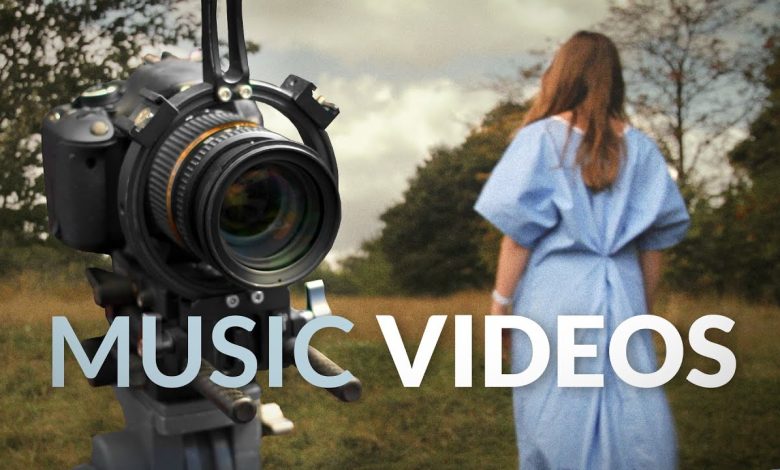
Making a music video can be a fun and creative way to showcase your music and reach a wider audience. With the rise of social media platforms like YouTube and TikTok, music videos have become more important than ever before. While it may seem like a daunting task, creating a music video can be done on a budget and with minimal equipment.
To start, it’s important to have a clear vision for your music video. Consider the message and story you want to convey through your visuals. You can use your lyrics as inspiration or create a concept that complements the mood and tone of your music. Once you have a concept in mind, you can begin planning the logistics of your video, including the location, lighting, costumes, and shot types.
When it comes to actually filming your music video, there are a few key things to keep in mind. Make sure you have a shot list and storyboard to keep track of what shots you need and how they will fit together in the final product. Depending on your concept, you may need to use a green screen or special effects to achieve the desired look. With a bit of planning and creativity, you can make a music video that truly showcases your music and captivates your audience.
Planning Your Music Video
When it comes to making a music video, planning is key to success. In this section, we will cover the essential steps involved in planning your music video, including choosing a theme, storyboarding, budgeting, and location scouting.
Choosing a Theme
Choosing a theme for your music video is an important step in the planning process. The theme should be aligned with the song’s lyrics and message. It could be love, heartbreak, empowerment, or any other statement that you want to make through your video.
Storyboarding
Once you have a theme in mind, the next step is to create a storyboard. A storyboard is a visual representation of your video, which includes a sequence of sketches or images that outline the key scenes of your video. It helps you to visualize your video and plan the shots, angles, and transitions.
Budgeting
Budgeting is another crucial aspect of planning your music video. Determine how much money you have available to spend on the video, and allocate it accordingly. Remember that you don’t need a big budget to make a great music video. You can create a compelling video with a DSLR or smartphone camera, even though those won’t give you the dynamic range of an HD video camera.
Location Scouting
Location scouting is the process of finding the right locations for your video shoot. It could be a studio, a park, a beach, or any other place that fits your theme and budget. Make sure to scout the location beforehand to ensure that it meets your requirements and has the necessary permissions for filming.
planning is an essential step in making a music video. By choosing a theme, storyboarding, budgeting, and location scouting, you can create a compelling video that aligns with your song’s message and resonates with your audience.
The Equipment Needed
Making a music video requires some equipment, but you don’t need to break the bank to get started. Here are some essential items you’ll need to create a great music video.
Camera Equipment
You’ll need a camera to shoot your music video. If you’re on a tight budget, a smartphone camera or DSLR camera can work just fine. However, keep in mind that these cameras may not give you the dynamic range of an HD video camera, so you may want to consider renting or borrowing one if you have the budget.
If you do decide to use a smartphone camera or DSLR camera, make sure you have a tripod to keep the camera steady. Shaky footage can be distracting and take away from the overall quality of your video. You may also want to consider investing in a stabilizer or gimbal, which can help you achieve smooth, professional-looking shots.
Lighting Equipment
Lighting is an important aspect of any video production, and music videos are no exception. You’ll need to make sure your subject is well-lit, and the lighting is consistent throughout your video.
There are many lighting options available, but if you’re just starting out, a basic three-point lighting setup can work well. This setup includes a key light, fill light, and back light. You can use softbox lights or umbrellas to diffuse the light and create a more natural look.
In addition to these basic lighting setups, you may also want to consider using colored gels or filters to create different moods or effects in your video. However, keep in mind that these can be more advanced techniques and may require more experience or knowledge to use effectively.
having the right camera and lighting equipment is essential to creating a high-quality music video. With the right tools and a bit of creativity, you can make a music video that looks and sounds great.
Shooting Your Music Video
Once you have planned out your music video, it’s time to start shooting. This is where you bring your vision to life and capture the essence of the song. Here are some tips to ensure that your shoot goes smoothly and you capture the footage you need.
Performing the Music
One of the most important aspects of shooting a music video is capturing the performance. Make sure that the artist or band is comfortable and can give their best performance. Consider the following:
- Rehearse. Practice makes perfect. Make sure the artist or band is comfortable with the song and knows their parts well. This will help them perform better on camera.
- Choose the right location. Pick a location that fits the mood of the song and enhances the performance. For example, if the song is about love, consider a romantic setting like a park or beach.
- Consider lip syncing. Depending on the style of the music video, lip syncing may be necessary. Make sure the artist or band knows the lyrics and can lip sync convincingly.
Capturing Different Shots
To make your music video visually interesting, you will need to capture a variety of shots. Here are some ideas to get you started:
- Wide shots. These shots show the entire scene and give context to the performance.
- Close-ups. These shots focus on the artist or band and show their emotions and expressions.
- Movement. Use a camera dolly or steady cam to add movement to your shots. This can make the video more dynamic and engaging.
- Angles. Experiment with different camera angles to add visual interest. For example, a low angle shot can make the artist or band look powerful and dominant.
Remember to have fun and be creative when shooting your music video. With the right planning and execution, you can create a visually stunning video that showcases the artist or band’s talent and helps further their music career.
Post-Production Process
Once you have finished filming your music video, it’s time to move on to the post-production process. This is where you edit and add audio to your video to create the final product. In this section, we will cover the two main steps of post-production: editing your music video and adding audio.
Editing Your Music Video
The first step in post-production is to edit your music video. This involves taking all of the footage you have captured and cutting it down to create a cohesive story that matches the music. To do this, you will need to use editing software such as Adobe Premiere Pro.
In Adobe Premiere Pro, you can import all of your footage and begin to organize it into a timeline. From there, you can start to cut and trim your footage to create the desired length and pacing for your video. You can also add effects, transitions, and titles to enhance your video.
One important thing to keep in mind when editing your music video is to make sure that the visuals match the music. This means that you should cut your footage to match the beat and rhythm of the music. You can also use effects and transitions to create a more dynamic and engaging video.
Adding Audio
The next step in post-production is to add audio to your video. This includes music, sound effects, and dialogue. To do this, you will need to use audio editing software such as Adobe Audition.
In Adobe Audition, you can import your music and sound effects and begin to mix and edit them to match your video. You can also record and edit dialogue to add to your video.
When adding audio to your video, it’s important to make sure that the levels are balanced and that the audio matches the visuals. You should also make sure that the audio is clear and free of any background noise.
the post-production process is an important step in creating a high-quality music video. By editing your footage and adding audio, you can create a video that matches the music and tells a compelling story. With the right tools and techniques, you can create a professional-looking music video that will impress your audience.
Sharing Your Music Video
Once you have created your music video, it’s time to share it with the world. In this section, we’ll go over some easy ways to share your music video on popular social media platforms.
Creating a YouTube Account
YouTube is the go-to platform for sharing videos. If you don’t already have a YouTube account, you’ll need to create one. It’s easy and free to sign up. Once you have an account, you can upload your music video directly to YouTube. Make sure to include relevant tags and descriptions to help people find your video.
Uploading to Facebook
Facebook is another great platform for sharing your music video. To upload your video to Facebook, simply click on the “Photo/Video” button on your timeline. You can then select the video file from your computer and upload it to Facebook. Make sure to add a catchy description and relevant hashtags to help people find your video.
Promoting on Twitter
Twitter is a great platform for promoting your music video. You can share your video on Twitter by simply posting the YouTube link. Make sure to include relevant hashtags and a catchy description to help people find your video. You can also pin your tweet to the top of your profile to make it more visible.
Remember, the key to promoting your music video is to make it easy for people to find and share. Use relevant tags, descriptions, and hashtags to help people discover your video. And don’t forget to engage with your audience by responding to comments and sharing updates about your music.
Mobile Apps for Music Video Creation
Creating a music video on your mobile device has never been easier with the help of various mobile apps available on Android and iPhone. These apps offer a simple and user-friendly interface that allows you to create professional-looking music videos in just a few clicks.
Android Apps
PowerDirector and FilmoraGo are two popular Android apps for creating music videos. PowerDirector offers more than 50 motion graphics and hundreds of customizable preset templates, making it easy to create a lyric music video in minutes. FilmoraGo, on the other hand, offers a wide range of features such as trimming, cutting, adding music, and applying filters to your videos.
iPhone Apps
iMovie and Splice are two popular iPhone apps for creating music videos. iMovie is a free app that offers a range of features such as adding music, sound effects, and voiceovers to your videos. It also allows you to apply filters and adjust the brightness, contrast, and saturation of your videos. Splice, on the other hand, offers a simple and intuitive interface that allows you to create music videos in just a few clicks. It also offers a wide range of features such as trimming, cutting, and adding music to your videos.
No matter which app you choose, creating a music video on your mobile device has never been easier. With a little creativity and the right app, you can create a professional-looking music video that will impress your friends and fans.
Exploring Other Options
If you’re looking for inspiration or ideas for your music video, there are many other options available to you beyond just brainstorming with your team. Here are a few things you can try:
Using Existing Playlists
One option is to explore existing playlists on platforms like Spotify or Apple Music. You can search for playlists based on genre or mood, and listen to songs that match the vibe you’re going for. This can help you discover new artists and songs that you may not have heard before, and give you ideas for your own music video.
For example, the band OK Go is known for their creative and innovative music videos, and they often draw inspiration from existing playlists. In an interview with Apple TV, lead singer Damian Kulash said, “We’ll often make playlists of things that feel like they’re in the same world as the song we’re working on, and then we’ll just listen to those playlists on repeat until we start to get ideas.”
Creating New Playlists
Another option is to create your own playlist of songs that inspire you. This can be a mix of your own music and songs from other artists, and can help you get into the right mindset for creating your music video. You can also share your playlist with your team to get their input and ideas.
When creating your playlist, think about the genre and mood you want to convey in your music video. For example, if you’re creating a romantic music video, you might include songs that are slow and emotional, while if you’re creating an upbeat music video, you might include songs that are more energetic and fun.
exploring existing playlists and creating your own can be a great way to find inspiration and ideas for your music video. By listening to a variety of songs and artists, you can discover new styles and techniques that you can incorporate into your own video.
Frequently Asked Questions
What are some free music video makers?
There are several free music video makers available online, such as Animaker, OpenShot, and Blender. These tools offer basic features that can help you create a music video without spending any money.
How can I make a music video without copyright issues?
To avoid copyright issues, you can use royalty-free music and stock footage in your music video. Websites like AudioJungle and Shutterstock offer a wide range of royalty-free music and footage that you can use in your video.
What are some tips for making a good video song?
To make a good video song, you should focus on creating a visual story that complements the lyrics and melody of the song. Use creative camera angles, lighting, and color grading to make your video visually appealing. Also, make sure to edit your video to match the beat and tempo of the song.
How can I record a music video on my phone?
To record a music video on your phone, you can use the camera app on your smartphone or download a dedicated video recording app. Make sure to use a tripod or stabilizer to keep your shots steady, and use external microphones to capture high-quality audio.
What is the best app for making a music video?
There are several apps available for making music videos, such as iMovie, Adobe Premiere Rush, and FilmoraGo. These apps offer a range of features that can help you create a professional-looking music video.
What are some popular video editing software for making music videos?
Some popular video editing software for making music videos include Adobe Premiere Pro, Final Cut Pro, and DaVinci Resolve. These tools offer advanced features such as color grading, special effects, and audio editing that can help you create a high-quality music video.


