

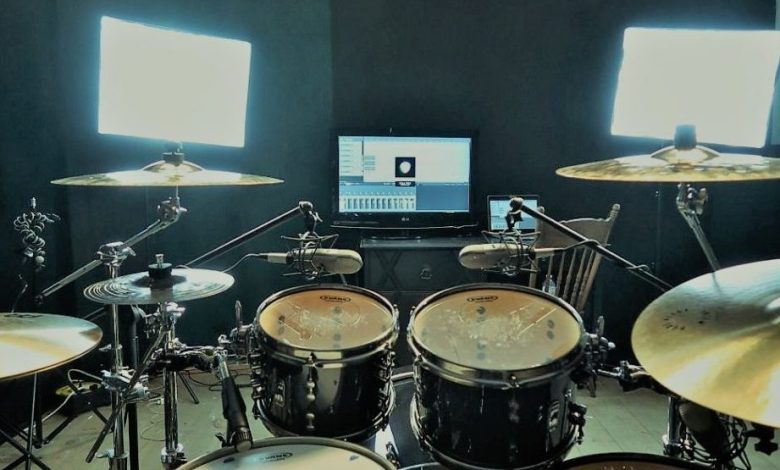
Drum and bass is a popular electronic dance music genre known for its fast breakbeats and heavy basslines. It has its roots in the UK rave scene and has since spread globally. One of the defining characteristics of drum and bass is its use of a variety of instruments, both electronic and acoustic.
Instruments commonly used in drum and bass include the drum kit, synthesizers, samplers, and bass guitars. The drum kit is the backbone of the genre, providing the fast, intricate breakbeats that are a hallmark of drum and bass. Synthesizers and samplers are used to create the distinctive basslines and other electronic sounds that are a key part of the genre’s sound. Bass guitars are also used to add depth and texture to the basslines.
Pop Music
Drum and bass has its roots in the UK rave scene of the early 1990s, but it has since evolved and diversified into various sub-genres. One of the most popular sub-genres is liquid funk, which features smooth, atmospheric basslines and melodies.
Pop music has also undergone significant changes over the years, with different instruments being used to create its signature sound. Drums are the backbone of most pop songs, but electronic drums have become increasingly popular in recent years. The Yamaha DTX400K is an entry-level electronic drum set that is perfect for pop music. It comes with everything you need to get started playing immediately, including three tom-toms, a snare drum, bass drum, hi-hat cymbal, crash cymbal, and ride cymbal.
Other instruments commonly used in pop music include synthesizers, samplers, and sub-bass. Synthesizers are used to create a variety of sounds, from soft pads to aggressive leads. Samplers are used to manipulate and layer different sounds, while sub-bass provides the low-end energy that drives the dancefloor.
In addition to the instruments themselves, pop music also relies heavily on production techniques to create a specific atmosphere. Hats and breaks are often used to create a sense of rhythm and groove, while synthesis and sampling are used to create unique sounds and textures.
pop music is a diverse and constantly evolving genre that incorporates elements from a variety of different styles and influences. Whether you’re a seasoned drummer or a beginner looking to get started, there are plenty of resources available to help you learn more about the instruments and techniques used in pop music. From podcasts and instructional videos to lists of the best electronic drum sets, the pop music community is always eager to share their knowledge and expertise.
Techno
Techno is a subgenre of electronic dance music (EDM) that originated in Detroit, Michigan in the United States in the mid-to-late 1980s. Its popularity has since spread worldwide, and it continues to be a popular genre in the electronic music scene. Techno is characterized by its repetitive four-on-the-floor beat and its use of electronic instruments such as drum machines, sequencers, and synthesizers.
The tempo of techno music often varies between 120 and 150 beats per minute (BPM), and it typically features a bass drum on every beat, with a snare or clap sound on the second and fourth beats. The central rhythm is typically in common time (4/4), and the basslines are often smooth and subby. Synthesizers are often used to create the iconic distorted bass sounds that are characteristic of techno, while drum machines are commonly used to create the fast-paced, repetitive beats that drive the music forward.
Techno has influenced a number of other genres, including drum and bass, house, and trance. It has also spawned a number of sub-genres, including ambient techno, atmospheric techno, and hard techno. Some of the most popular techno producers include Jeff Mills, Carl Craig, and Juan Atkins.
techno is a high-energy, fast-paced genre of electronic music that is perfect for the dancefloor. Its popularity continues to grow, and it remains an important part of the electronic music scene.


