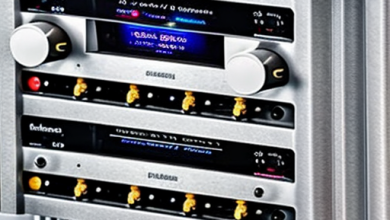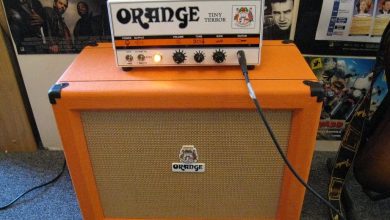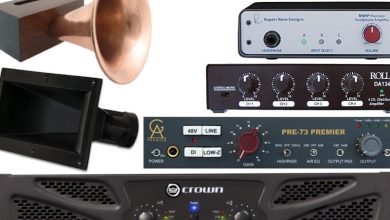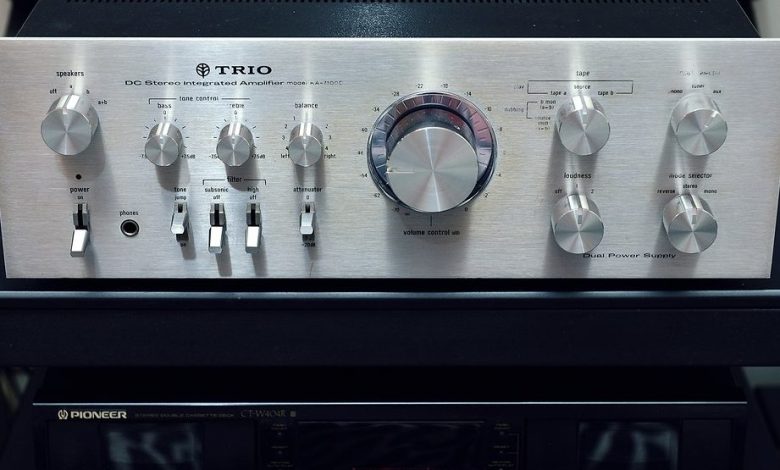
An integrated amplifier is a device that combines the preamplifier and power amplifier into a single component. This means that everything you need is packed into one box, making it a convenient and space-saving option. Integrated amplifiers have numerous advantages over choosing each component yourself, including a simpler setup process and the fact that everything has been tuned together, saving you the work that goes into matching separate amplifiers.
The term “integrated amplifier” refers to the integration of the preamp and power amp, plus phono EQ and tone controls, in a single component. This allows you to save space on your Hi-Fi rack without sacrificing power or capability. Integrated amplifiers are becoming increasingly popular, especially for those building their first home stereo system. By combining a power amplifier with a preamplifier, an integrated amp is not only simpler than hunting for separate components, but it also gives you a good mix of performance and features for less money than you’d spend otherwise.
If you’re looking to build a home stereo system, an integrated amplifier is a great place to start. With its convenience, space-saving design, and affordability, it’s no wonder why more and more people are turning to integrated amplifiers. In the following sections, we’ll dive deeper into the world of integrated amplifiers, exploring their features, benefits, and how to choose the right one for your needs.
Understanding Integrated Amplifiers
Integrated amplifiers are electronic devices that combine a preamplifier and power amplifier into a single component. This means that everything required to amplify an audio signal is contained within a single box.
Integrated amplifiers have numerous advantages over separate preamp and power amplifier components. They are generally more compact, easier to set up, and can be less expensive than purchasing each component separately.
Most modern audio amplifiers are integrated and have several inputs for devices such as CD players, DVD players, and auxiliary sources. This means that you can connect multiple audio sources to a single integrated amplifier, making it the ideal choice for a home audio system.
Integrated amplifiers come in a variety of power ratings and configurations. Some models include built-in phono preamps for turntables, while others have tone controls that allow you to adjust the frequency response of your audio system.
When choosing an integrated amplifier, it is important to consider the power rating, impedance, and sensitivity of your speakers. The power rating of an amplifier indicates how much power it can deliver to each channel of a music signal. Impedance refers to the electrical resistance of your speakers, while sensitivity measures how efficiently your speakers convert electrical signals into sound.
integrated amplifiers are an excellent choice for anyone looking to build a high-quality home audio system. They are versatile, easy to use, and provide excellent sound quality.
Components of an Integrated Amplifier
An integrated amplifier is a device that combines several components into a single unit. The main components of an integrated amplifier are the preamp, power amplifier, EQ, volume control, and chassis.
Preamp
The preamp is responsible for boosting the signal from the source, such as a CD player or turntable, to a level that the power amplifier can work with. It also helps to adjust the tone of the signal and can include features such as balance control, tone control, and input switching.
Power Amplifier
The power amplifier is responsible for taking the signal from the preamp and amplifying it to a level that can drive the speakers. It is the power amplifier that determines the overall output power of the integrated amplifier.
EQ
EQ, or equalization, is a feature that allows you to adjust the tonal balance of the sound. This can be used to compensate for the acoustics of the room or to tailor the sound to your personal preferences.
Volume Control
The volume control is responsible for adjusting the level of the sound. It can be a simple potentiometer or a more sophisticated digital control.
Chassis
The chassis is the physical housing that contains all the components of the integrated amplifier. It is important that the chassis is well designed and constructed to minimize interference from external sources and to provide a stable platform for the components.
an integrated amplifier combines several components into a single unit, including the preamp, power amplifier, EQ, volume control, and chassis. Each component plays a critical role in the overall performance of the integrated amplifier, and it is important to choose a unit that is well designed and constructed to provide the best possible sound quality.
Connectivity and Features
An integrated amplifier is a device that combines a preamplifier and a power amplifier into a single component. It is an all-in-one solution that can provide superior sound quality and save space on your Hi-Fi rack. Here are some of the connectivity and features you can expect from an integrated amplifier.
Bluetooth and Wi-Fi
Many modern integrated amplifiers come with Bluetooth and Wi-Fi connectivity options. This means you can stream music wirelessly from your smartphone, laptop, or tablet. Bluetooth is a short-range wireless technology that allows you to connect your devices without cables. Wi-Fi, on the other hand, provides a more stable and reliable connection over longer distances.
Connections
Integrated amplifiers come with a variety of connections that allow you to connect different types of audio equipment. Some common connections include RCA, XLR, and USB. RCA is a standard connection for audio equipment and is used to connect CD players, turntables, and other audio sources. XLR is a professional-grade connection that is commonly used in recording studios and live performances. USB is a digital connection that allows you to connect your computer or other digital audio sources.
Source Devices
Integrated amplifiers can be used with a variety of source devices, including CD players, turntables, digital audio players, and streaming services. Some integrated amplifiers come with built-in phono preamps, which allow you to connect a turntable directly to the amplifier without the need for an external preamp. This can save you money and space on your Hi-Fi rack.
Wireless Connectivity
Wireless connectivity is becoming increasingly popular with integrated amplifiers. Some amplifiers come with built-in Wi-Fi and Bluetooth, while others require an external adapter. Wireless connectivity allows you to stream music from your smartphone, laptop, or tablet without the need for cables. It also allows you to control your amplifier remotely using a mobile app.
an integrated amplifier is a device that combines a preamplifier and a power amplifier into a single component. It provides superior sound quality and saves space on your Hi-Fi rack. It comes with a variety of connectivity and features, including Bluetooth and Wi-Fi, different types of connections, compatibility with various source devices, and wireless connectivity options.
Integrated Amplifier Vs. Separate Components
When it comes to building a hi-fi system, one of the first decisions you’ll need to make is whether to go with an integrated amplifier or separate components. While both options have their pros and cons, understanding the differences between them can help you make an informed decision.
Advantages of Integrated Amplifiers
Integrated amplifiers are a popular choice for many audiophiles due to their convenience and cost-effectiveness. By combining the preamplifier and power amplifier into a single component, integrated amps are generally more compact and easier to set up than separate components. They also tend to be less expensive than buying a preamp and power amp separately.
Another advantage of integrated amplifiers is that they are designed to work together as a cohesive unit, meaning you don’t have to worry about matching components from different manufacturers. This can make it easier to build a system that delivers consistent sound quality across all sources.
Disadvantages of Integrated Amplifiers
While integrated amplifiers have many benefits, they also have some drawbacks to consider. One of the biggest disadvantages is that they may not offer as much flexibility as separate components. For example, if you want to upgrade your preamp or power amp, you’ll need to replace the entire integrated amplifier.
Integrated amplifiers may also be limited in terms of power output, which can be a concern for those with larger or more demanding speaker setups. Additionally, some audiophiles believe that separate components offer superior sound quality due to the reduced interference between components.
Ultimately, the decision between an integrated amplifier and separate components will depend on your individual needs and preferences. If you’re looking for a simple, cost-effective solution that delivers good sound quality, an integrated stereo amplifier may be the way to go. However, if you’re willing to invest more time and money into building your system, separate components may offer greater flexibility and sound quality.
Types of Integrated Amplifiers
There are several types of integrated amplifiers available in the market, each with its own unique features and capabilities. Here are some of the most common types of integrated amplifiers available:
Stereo Integrated Amplifiers
Stereo integrated amplifiers are the most common type of integrated amplifier. They consist of a preamplifier and a power amplifier combined into a single device. They are designed to power two speakers, one for the left channel and one for the right channel, and are used for listening to music in stereo.
Home Theater Integrated Amplifiers
Home theater integrated amplifiers, also known as A/V receivers, are designed to power multiple speakers and provide surround sound for movies and TV shows. They include a preamplifier, power amplifier, and a variety of inputs and outputs for connecting to other devices, such as a TV, Blu-ray player, or game console.
Tube Integrated Amplifiers
Tube integrated amplifiers use vacuum tubes to amplify the signal, which can provide a warmer, more natural sound than solid-state amplifiers. They are often preferred by audiophiles who value sound quality over convenience.
Digital Integrated Amplifiers
Digital integrated amplifiers use digital signal processing (DSP) to amplify the signal. They are often more compact and energy-efficient than analog amplifiers, and can provide a wide range of features such as room correction and network connectivity.
Integrated Amplifier vs Stereo Amplifier
While both integrated amplifiers and stereo amplifiers are used to power speakers, there is a key difference between the two. Stereo amplifiers consist of a power amplifier only, and require a separate preamplifier to control the volume and select inputs. Integrated amplifiers combine both the preamplifier and power amplifier into a single device, making them more convenient and space-saving.
the type of integrated amplifier that is right for you will depend on your specific needs and preferences. Whether you’re looking for a simple stereo amplifier for listening to music, or a home theater integrated amplifier for watching movies, there is an integrated amplifier out there that will meet your needs.
Understanding Power Output and Sound Quality
When it comes to integrated amplifiers, power output and sound quality are two crucial factors to consider. In this section, we will discuss how power output affects sound quality and how distortion can impact your listening experience.
Power Output
Power output is the amount of electrical power an amplifier can deliver to your speakers. It is usually measured in watts per channel (WPC) and is an essential factor to consider when choosing an integrated amplifier. Higher power output generally means higher volume and better sound quality, especially at higher volumes.
However, it’s worth noting that power output alone doesn’t determine the quality of sound. Other factors such as distortion, frequency response, and speaker sensitivity can also impact sound quality.
Distortion
Distortion is a measure of how accurately the amplifier reproduces the audio signal. It’s usually measured as total harmonic distortion (THD) and expressed as a percentage. The lower the THD, the more accurately the amplifier reproduces the original audio signal.
Distortion can be caused by various factors, including the amplifier circuitry, the quality of components used, and the power output. High distortion can lead to a loss of detail and clarity in the music, particularly in the mid and high-frequency ranges.
Sound Quality
Sound quality is a subjective measure of how good an amplifier sounds. It’s influenced by various factors, including power output, distortion, frequency response, and speaker sensitivity. A good amplifier should produce a balanced sound with a clear, detailed midrange, tight bass, and smooth treble.
When choosing an integrated amplifier, it’s essential to consider your listening preferences and the type of music you listen to. Some amplifiers may have a warmer sound, while others may have a more neutral or analytical sound. It’s also worth considering the type of speakers you have and how they will pair with the amplifier.
power output and sound quality are two critical factors to consider when choosing an integrated amplifier. Higher power output can lead to better sound quality, but it’s not the only factor to consider. Distortion can also impact sound quality, and a good amplifier should produce a balanced sound with a clear midrange, tight bass, and smooth treble.
Choosing the Right Integrated Amplifier
When it comes to buying an integrated amplifier, there are several factors that you should consider to ensure that you get the best value for your money. Here are some key factors to keep in mind:
Affordability
The price of an integrated amplifier can vary widely, from a few hundred dollars to several thousand dollars. If you’re on a budget, you’ll want to look for an amplifier that offers good value for money without sacrificing too much in terms of sound quality. Look for amplifiers that offer a good balance of features and performance at a reasonable price.
Performance
Of course, sound quality is the most important factor to consider when buying an integrated amplifier. Look for amplifiers that offer a clean, clear sound with good dynamic range and low distortion. Pay attention to the power output of the amplifier, as this will determine how loud you can play your music and how well the amplifier will handle demanding speakers.
Future-Proofing
When buying an integrated amplifier, it’s also important to consider how well it will meet your needs in the future. Look for amplifiers that offer a range of inputs and outputs, so you can connect a variety of devices and speakers. You may also want to look for amplifiers that are compatible with new technologies like high-resolution audio or wireless streaming.
Here are some additional factors to keep in mind when buying an integrated amplifier:
- Brand reputation: Look for brands with a good reputation for quality and reliability.
- Aesthetics: Consider the design and appearance of the amplifier, as it will be a prominent feature in your home.
- Size: Make sure the amplifier will fit in the space you have available.
- Warranty: Look for amplifiers that come with a good warranty to protect your investment.
By considering these factors, you can find an integrated amplifier that meets your needs and provides excellent sound quality at an affordable price.
Popular Integrated Amplifier Brands
When it comes to integrated amplifiers, there are a few brands that stand out for their quality and performance. Here are some of the most popular integrated amplifier brands:
Marantz
Marantz is a well-known brand in the audio industry, known for producing high-quality and reliable audio equipment. Their PM6007 model is a popular choice for those looking for an integrated amplifier with great sound quality. The PM6007 offers a power output of 45 watts per channel and features a built-in phono stage, making it a great choice for vinyl enthusiasts.
Schiit Audio
Schiit Audio is a California-based company that has gained a reputation for producing high-quality audio equipment at affordable prices. Their integrated amplifiers, such as the Schiit Vidar, offer great sound quality and a sleek, minimalist design. The Vidar boasts a power output of 100 watts per channel and features a modular design, allowing users to upgrade and customize their amplifier as needed.
Cambridge Audio
Cambridge Audio is a UK-based company that has been producing high-quality audio equipment for over 50 years. Their AXA35 model is a popular choice for those looking for an affordable and reliable integrated amplifier. The AXA35 offers a power output of 35 watts per channel and features a built-in phono stage, making it a great choice for vinyl enthusiasts. It also has Bluetooth connectivity, allowing users to easily stream music from their devices.
these three brands offer a great selection of integrated amplifiers that cater to different needs and budgets. Whether you’re a vinyl enthusiast or just looking for a reliable amplifier for your home theater system, Marantz, Schiit Audio, and Cambridge Audio are all great choices to consider.
Integrated Amplifiers and Home Audio Systems
Integrated amplifiers are an essential part of any home audio system. They combine the preamplifier and power amplifier into a single component, making it easier to set up and use. Depending on the type of system you have, there are different ways to integrate an amplifier.
Home Theater Systems
For home theater systems, an integrated amplifier can be used to power the front left and right speakers. This is especially useful for those who want a more immersive audio experience. Integrated amplifiers can also be used to power the center channel speaker, which is responsible for dialogue in movies and TV shows.
Hi-Fi Systems
For audiophiles and those who want the best possible sound quality, a hi-fi system is the way to go. Integrated amplifiers are a key component of any hi-fi system, providing the power needed to drive high-quality speakers. When paired with high-quality speakers and a good source component, an integrated amplifier can produce stunning sound quality.
Music Systems
Integrated amplifiers are also a great choice for music systems. They can be used to power bookshelf or floor-standing speakers, providing a full and rich sound. Many integrated amplifiers also include phono inputs, allowing you to connect a turntable and enjoy your vinyl collection.
When choosing an integrated amplifier for your home audio system, it is important to consider your needs and budget. There are many different options available, ranging from budget-friendly models to high-end audiophile-grade amplifiers. Some factors to consider include power output, connectivity options, and build quality.
integrated amplifiers are a versatile and essential component of any home audio system. Whether you are building a home theater system, a hi-fi system, or a music system, an integrated amplifier can help you achieve the sound quality you desire.
FAQs About Integrated Amplifiers
If you’re new to the world of audio equipment, you might have some questions about integrated amplifiers. Here are some frequently asked questions about integrated amplifiers:
What is an integrated amplifier?
An integrated amplifier is a device that combines a preamplifier and a power amplifier into a single unit. This means that everything you need to power your speakers and control your audio signal is contained in one box. Integrated amplifiers are a popular choice for home audio systems because they are convenient, compact, and easy to use.
What are the benefits of using an integrated amplifier?
There are several benefits to using an integrated amplifier. First, it simplifies your audio setup by combining two components into one. This can save you space, reduce clutter, and make it easier to manage your audio system. Second, integrated amplifiers are often more affordable than buying separate preamplifiers and power amplifiers. Finally, integrated amplifiers are designed to work together, so you can be sure that your components are optimized for each other.
What should I look for when buying an integrated amplifier?
When shopping for an integrated amplifier, there are a few key features to consider. First, you’ll want to look at the power output. This will determine how much power the amplifier can deliver to your speakers. You’ll also want to consider the number of inputs and outputs, as well as the type of inputs and outputs. Finally, you’ll want to look at the overall sound quality, which can be influenced by the amplifier’s design, build quality, and other factors.
What are some of the best integrated amplifiers on the market?
There are many great integrated amplifiers available, ranging from budget-friendly options to high-end models. Some of the best integrated amplifiers on the market include the Marantz PM6007, the Cambridge Audio CXA81, and the NAD C 368. When choosing an integrated amplifier, be sure to consider your budget, your audio needs, and your personal preferences.