

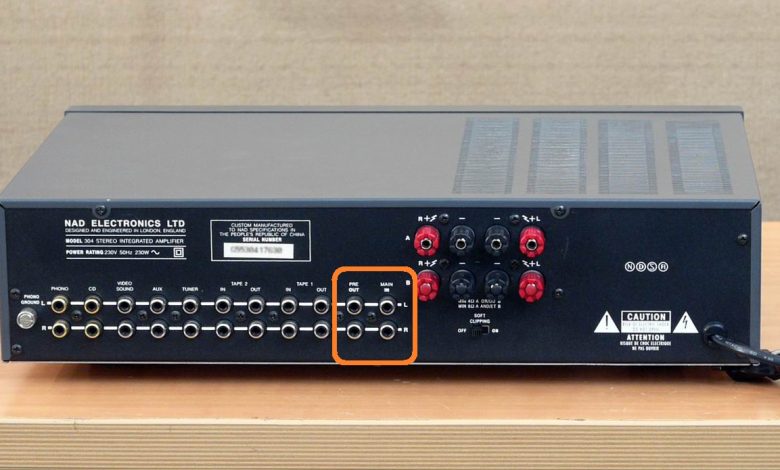
Preamp out is a term that is often used in the audio industry, but not everyone knows exactly what it means. In simple terms, preamp out is a signal output that is taken from the preamplifier section of an audio device before it reaches the power amplifier section. This signal is generally used to feed other devices or signal processors, such as equalizers or compressors.
The preamp out signal is usually a low-level signal that has not yet been amplified to a level that can drive speakers. It is often used to send the signal to external recording devices, mixers, or other audio equipment that requires a low-level signal. This signal can also be used to feed a power amplifier in another system, allowing the user to take advantage of the preamp section of one device and the power amplifier section of another.
Understanding Preamp Out
A preamp out is a signal output from a preamplifier that is used to connect to other audio equipment, such as an external power amplifier or a recording device. It is typically located on the back panel of a preamp and is labeled as “pre-out” or “preamp out.”
The preamp out signal is a low-level signal that is not suitable for driving speakers directly. Instead, it is designed to be connected to the input of a power amplifier, which then amplifies the signal to a level that is suitable for driving speakers.
One of the benefits of using a preamp out is that it allows you to bypass the volume control and tone controls of the preamp, which can introduce noise and distortion into the signal. By using the preamp out, you can send a clean, unaltered signal to your power amplifier or recording device.
It’s important to note that not all preamps have a preamp out. Some preamps have only a single output, which is designed to be connected directly to a power amplifier or other audio equipment. If you are unsure whether your preamp has a preamp out, consult the owner’s manual or contact the manufacturer for more information.
a preamp out is a signal output from a preamplifier that is used to connect to other audio equipment. It is a low-level signal that is not suitable for driving speakers directly and is designed to be connected to the input of a power amplifier. By using the preamp out, you can send a clean, unaltered signal to your power amplifier or recording device.
The Function of Preamp Out
A preamp out, also known as preamplifier output, is a type of audio output found on many amplifiers and audio equipment. It serves several important functions in the audio signal chain. In this section, we will discuss the three main functions of preamp out: signal transmission, volume control, and tone control.
Signal Transmission
The preamp out is where the audio signal leaves the preamp stage of the amplifier and is sent to other audio equipment, such as a power amp or a recording device. The preamp out signal is typically a low-level signal that is not strong enough to drive a speaker or other output device directly. Instead, it is designed to be sent to another device that will amplify the signal further.
Volume Control
Another important function of preamp out is volume control. The preamp out signal is typically controlled by the amplifier’s volume knob or gain control. This allows the user to adjust the volume of the signal before it is sent to other equipment. By controlling the volume at the preamp stage, the user can ensure that the signal is not distorted or clipped when it is amplified further down the signal chain.
Tone Control
Finally, preamp out also provides tone control. Many amplifiers and audio equipment have tone controls, such as bass and treble knobs, that allow the user to adjust the tonal balance of the audio signal. These tone controls are typically located in the preamp stage of the amplifier and affect the preamp out signal. By adjusting the tone controls, the user can tailor the sound of the preamp out signal to their preferences.
preamp out serves several important functions in the audio signal chain, including signal transmission, volume control, and tone control. By understanding these functions, users can optimize their audio setup and achieve the best possible sound quality.
Types of Preamps
There are different types of preamps available in the market, each with its own unique characteristics. Let’s take a look at two of the most popular types of preamps:
Tube Preamps
Tube preamps, also known as valve preamps, use vacuum tubes to amplify the signal. They are known for their warm, rich, and natural sound, which is why they are preferred by many musicians and audiophiles. Tube preamps are also known for their high gain, which means they can boost the signal without adding noise or distortion.
One of the downsides of tube preamps is that they require more maintenance than solid-state preamps. The vacuum tubes need to be replaced periodically, and the preamp needs to be warmed up before use. Tube preamps are also more expensive than solid-state preamps.
Solid State Preamps
Solid-state preamps, also known as transistor preamps, use transistors instead of vacuum tubes to amplify the signal. They are known for their clean, transparent, and accurate sound, which makes them ideal for recording and mixing. Solid-state preamps are also more reliable and durable than tube preamps, as they do not require as much maintenance.
One of the downsides of solid-state preamps is that they can sound harsh or sterile, especially when compared to tube preamps. They also have a lower gain than tube preamps, which means they may not be able to boost the signal as much.
both tube preamps and solid-state preamps have their own unique characteristics and advantages. The choice between the two ultimately comes down to personal preference and the specific needs of the user.
The Importance of Preamp Out
Preamp out is a feature found in many audio systems that allows you to connect to other audio equipment. It is an essential component that can enhance the quality of your sound and provide connection flexibility. In this section, we will discuss the importance of preamp out in detail.
Sound Quality Enhancement
Preamp out is an important feature because it can significantly improve the sound quality of your audio system. It provides a clean and strong signal that can be used to connect to other audio equipment. With preamp out, you can bypass the preamp section of your audio system and use an external preamp to amplify the signal. This can result in a more accurate and dynamic sound.
Connection Flexibility
Preamp out also provides connection flexibility. It allows you to connect to a wide range of audio equipment, such as mixers, amplifiers, and recording devices. With preamp out, you can connect multiple devices to your audio system and switch between them easily. This can be especially useful for musicians and audio professionals who need to use different equipment for different purposes.
preamp out is an important feature that can enhance the sound quality of your audio system and provide connection flexibility. It is an essential component for anyone who wants to connect to other audio equipment and achieve the best possible sound.
Choosing the Right Preamp
When choosing a preamp, there are several factors to consider. Here are some things to keep in mind:
1. Type of Preamp
There are several types of preamps available, each with its own set of features and benefits. Some common types include:
- Tube preamps: These preamps use vacuum tubes to amplify the signal, resulting in a warm, vintage sound.
- Solid-state preamps: These preamps use transistors and other solid-state components to amplify the signal, resulting in a clean, transparent sound.
- Hybrid preamps: These preamps combine the best of both worlds, using both vacuum tubes and solid-state components to achieve a unique sound.
Consider the type of preamp that will work best for your needs and preferences.
2. Number of Channels
The number of channels on a preamp determines how many microphones or instruments you can plug in at once. If you plan to record a full band or ensemble, you may need a preamp with multiple channels. However, if you only plan to record one or two sources at a time, a single-channel preamp may be sufficient.
3. Connectivity
Consider the connectivity options of the preamp. Some preamps may only have XLR inputs, while others may have a combination of XLR and 1/4-inch inputs. Make sure the preamp you choose has the inputs and outputs you need to connect to your recording equipment.
4. Budget
Preamps can range in price from a few hundred dollars to several thousand dollars. Consider your budget and how much you are willing to spend on a preamp. Keep in mind that a higher price does not always equate to better quality.
By considering these factors, you can choose the right preamp for your recording needs.
Conclusion
a preamp out is a signal output from a preamplifier that is designed to connect to a power amplifier. It provides a boosted version of the microphone signal with as little noise as possible. The preamp out is typically used in audio equipment such as amplifiers, mixers, and audio interfaces.
The preamp out is different from a line out in that it provides a stronger signal that is better suited for amplification. It is also different from an effects send, which is attenuated by the master volume. The preamp out is often used in conjunction with a power amplifier to drive speakers or headphones.
When choosing an audio equipment, it is important to consider the preamp out and its capabilities. Some preamp outs may have different voltage levels, which can affect the overall sound quality. It is also important to consider the type of preamp out, as some may be designed for specific types of equipment or applications.
understanding the preamp out and its function is essential for anyone working with audio equipment. By selecting the right preamp out and using it correctly, you can achieve optimal sound quality and ensure that your audio equipment is performing at its best.


