

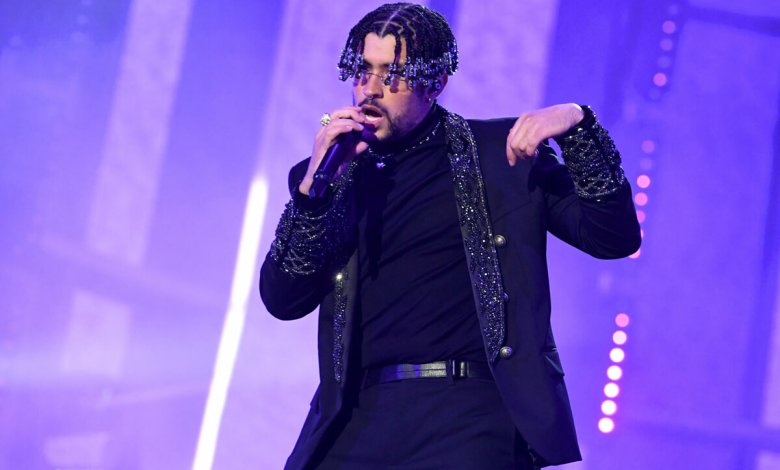
Welcome to a celebration of rhythm and lyrics that have captured the hearts of millions around the world. Bad Bunny, is a name that echoes through the streets with beats that make you want to dance and words that stick in your mind. This artist has a special talent for creating music that touches the soul and moves the body.
In this article, we have carefully selected the top songs by Bad Bunny that stand out for their unique sound and powerful impact. From lively dance numbers to thoughtful ballads, each song has its own story and vibe. Read on to discover which tracks have left a mark in the music industry and why they are loved by so many fans.
25. Solo De Mí
“Solo De Mí” refuses to be defined by one genre, blending reggaeton beats with a clear message of self-respect and independence. Bad Bunny uses this track to make a strong statement against domestic violence, showing his support for victims. The song’s catchy rhythm pairs with powerful lyrics, making it not just a hit for your playlist but also a voice for an important social issue. Fans love the raw emotion and the way Bad Bunny delivers each line with a mix of vulnerability and strength.
24. Andrea
“Andrea” takes you on a journey through the complexities of love with its smooth reggaeton beat. Bad Bunny pours his emotions into every line, telling the tale of a lost lover. The song’s catchy hook and heartfelt lyrics have fans singing along, feeling the raw honesty in his voice. It’s a track that showcases Bad Bunny’s unique ability to blend storytelling with irresistible rhythms, making it a favorite for many.
23. Bendiciones
“Bendiciones” wraps up feelings of gratitude and reflection in a smooth, catchy rhythm. Bad Bunny uses this track to give thanks for his success and the support of his fans. The song’s easy flow and heartfelt lyrics connect with listeners, reminding them to count their own blessings. It’s a more laid-back tune compared to his usual upbeat hits, showing off his versatility as an artist. With its chill vibe, “Bendiciones” fits perfectly into a relaxed evening playlist.
22. Trellas
“Trellas” is a track where Bad Bunny slows things down a bit. He takes us through a story of love and nostalgia, reminiscing about a past relationship. The beat has a chill, laid-back vibe that matches the reflective lyrics. This song shows a different side of Bad Bunny, highlighting his versatility as an artist. Fans love it for its catchy chorus and the way it blends reggaeton with softer, more emotive sounds. It’s a go-to for anyone who’s ever looked back on an old flame with both fondness and a tinge of regret.
21. Otro Atardecer
“Otro Atardecer” hits you with its chill vibes right from the start. Bad Bunny teams up with The Marías to blend Latin trap with dreamy indie sounds. The song features smooth verses that talk about love and loss, set to a laid-back beat. It’s perfect for winding down after a long day or just getting lost in your thoughts. Fans love how it showcases Bad Bunny’s versatility as an artist, moving easily between different music styles.
20. Maldita Pobreza
“Maldita Pobreza” strikes a chord with its raw honesty about the struggles of living with little money. Bad Bunny mixes a traditional Latin rhythm with his signature urban sound, creating a song that’s as catchy as it is poignant. The lyrics paint a vivid picture of the hardships faced, yet the upbeat tempo keeps listeners hooked. It’s a track that balances reality with the escapism music provides, and it resonates with many of his fans who know the story all too well.
19. Después de la Playa
“Después de la Playa” takes you on a rhythmic journey with its blend of reggaeton beats and mambo influences. Bad Bunny energizes listeners with catchy hooks and a vibrant melody that makes you feel like you’re dancing on a beach at sunset. The song’s popularity soared, becoming a go-to track for parties. With its infectious energy, it’s easy to see why fans love this hit.
18. Booker T
“Booker T” is a track where Bad Bunny pays homage to the wrestling icon. The song has a hard-hitting beat that matches the energy of a wrestling match. Bad Bunny raps about success and resilience, much like the wrestler’s own career. The music video even features Booker T himself, standing tall as Bad Bunny performs around him. Fans love this song for its catchy rhythm and the blend of sports and music culture.
17. Chambea
“Chambea” hits hard with its bold beats and Bad Bunny’s unmistakable flow. The track quickly became a fan favorite, showcasing his ability to turn a simple hook into an anthem. The music video features a boxing ring theme, reflecting the song’s combative energy. It’s a powerful statement of confidence, with lyrics that challenge the competition and affirm Bad Bunny’s place at the top of the game. Whether at a party or just needing a boost, this song is sure to pump you up.
16. Titi Me Preguntó
“Titi Me Preguntó” mixes traditional reggaeton with modern beats, showcasing Bad Bunny’s unique style. The song tells a story of a nosy aunt asking about his love life, a relatable topic for many. Its catchy chorus and infectious rhythm make it impossible not to dance to. This track highlights the artist’s playful side and connects with fans through its humorous lyrics and lively vibe.
15. Me Porto Bonito
“Me Porto Bonito” is a catchy track that’s got fans everywhere moving to its beat. In this song, Bad Bunny teams up with Chencho Corleone and they talk about living the good life and charming their way through romantic interests. The beat is infectious, and it’s easy to find yourself humming along. This song showcases Bad Bunny’s ability to blend reggaeton rhythms with smooth vocals, making it a favorite for parties and playlists. It’s a fun, upbeat anthem perfect for those who love to dance and enjoy life’s finer moments.
14. La Noche de Anoche
“La Noche de Anoche” takes you on a trip down memory lane to a passionate one-night romance. Bad Bunny teams up with Spanish singer Rosalía, and their chemistry is pure magic. The song mixes smooth beats with heartfelt lyrics, making it a hit for anyone who’s ever fallen in love just for a moment. It’s catchy, emotional, and a fan favorite for its relatable story of fleeting love.
13. La Romana
“La Romana” brings a fiery mix of reggaeton and dembow rhythms that will have you up and dancing in no time. Bad Bunny teams up with Dominican artist El Alfa, blending their unique styles to create a song that hits hard with its catchy beats and lively lyrics. The track is a celebration of the vibrant street culture and the heat of the Dominican Republic, making it a favorite at parties and clubs. Feel the energy surge through you as the pulsating music of “La Romana” plays, a perfect anthem for those who love to move.
12. Mía
“Mía,” featuring Drake, is a smooth hit that showcases Bad Bunny’s ability to blend genres. The track’s catchy reggaeton beat and Drake’s smooth verse in Spanish make it a fan favorite. It’s a song about a man declaring his love and telling the world that the girl he adores is his and only his. The easy-to-sing-along chorus and the mix of English and Spanish lyrics have helped “Mía” become a crossover success, reaching audiences from different backgrounds.
11. Callaíta
“Callaíta” showcases Bad Bunny’s versatility, mixing a laid-back beach vibe with introspective lyrics. It tells the story of a girl who appears shy but lives life on her own terms. The catchy reggaeton beat makes it perfect for summer playlists. The song struck a chord with listeners, becoming a hit for its relatable message and infectious rhythm. It’s a standout track that highlights Bad Bunny’s ability to blend party anthems with deeper themes.
10. Estamos Bien
“Estamos Bien” captures the spirit of resilience with its laid-back beats and Bad Bunny’s smooth vocals. The song became an anthem for Puerto Rico post-Hurricane Maria, highlighting hope and community strength. It’s a feel-good track that encourages listeners to embrace the good times despite hardships. The music video, featuring real footage from the island, adds to the song’s powerful message of unity and recovery. Enjoy the uplifting rhythm that makes you want to sing along and celebrate life’s simple joys.
9. Yonaguni
“Yonaguni” takes you on a journey with its catchy melody and unique blend of Spanish and Japanese. Bad Bunny surprises fans by singing in Japanese at the end of the track, showcasing his versatile talent. The song’s laid-back vibe pairs with introspective lyrics about longing and desire, making it a hit for those summer nights. It’s a perfect example of how Bad Bunny mixes different cultural sounds to create something fresh and appealing.
8. La Canción
“La Canción” brings a mix of nostalgia and modern beats. Bad Bunny teams up with J Balvin to create a track that takes you back to past love stories. The song’s smooth rhythm and catchy chorus stick in your head long after you’ve listened. It’s a highlight in Bad Bunny’s discography, showcasing his ability to blend different styles. Fans love how the lyrics and melody create a vibe that’s both reflective and dance-worthy.
7. Soy Peor
“Soy Peor” marks a turning point in Bad Bunny’s career, showcasing a raw and gritty side of the artist. This track resonates with listeners through its blend of trap beats and reggaeton rhythms. The lyrics speak of heartbreak and moving on, striking a chord with anyone who’s faced a tough breakup. With its catchy hook and relatable theme, “Soy Peor” has become an anthem for those reclaiming their independence. It’s a powerful song that helped Bad Bunny rise to international fame.
6. Caro
“Caro” showcases Bad Bunny’s knack for blending catchy rhythms with personal lyrics. In this track, he opens up about self-love and the price of fame. With a smooth mix of reggaeton beats and trap influences, the song hooks you right from the start. The vibrant music video adds another layer, highlighting themes of identity and transformation. Fans love how Bad Bunny breaks stereotypes while keeping them dancing. It’s a hit that resonates with anyone looking for upbeat music with a message.
5. Amorfoda
“Amorfoda” takes a raw look at heartbreak with its stripped-down beat and poignant lyrics. Bad Bunny steps away from his usual reggaeton style, delivering a powerful ballad that hits home for anyone who’s ever felt the sting of a failed romance. The song’s simplicity focuses on his emotional delivery, making it a favorite among fans who appreciate his versatility. With its relatable message and haunting melody, “Amorfoda” resonates deeply, showcasing Bad Bunny’s ability to connect with his audience beyond the dance floor.
4. La Difícil
“La Difícil” is a hit that showcases Bad Bunny’s unique blend of reggaeton and Latin trap. The song features catchy beats and talks about a complicated love story that many can relate to. Its music video, full of vibrant colors and dance scenes, has racked up millions of views. This track has become a favorite at parties and has cemented Bad Bunny’s status as a major player in the music industry. Fans love the energy and rhythm that make it hard to sit still whenever this tune plays.
3. Safaera
“Safaera” is a high-energy track that gets people moving with its mix of reggaeton beats and hip-hop. Bad Bunny teams up with Jowell & Randy and Ñengo Flow in this hit that samples old-school reggaeton, creating a nostalgic feel. The song’s switch-ups keep the rhythm fresh and the listeners on their toes. It’s a party anthem that pays homage to the genre’s roots and showcases Bad Bunny’s versatility as an artist.
2. Yo Perreo Sola
“Yo Perreo Sola” is a hit that resonates with empowerment. Bad Bunny brings a bold message about female independence to the reggaeton beat. The song quickly became an anthem for women who dance alone, free from unwanted advances. Its catchy rhythm and striking lyrics have made it a favorite in clubs worldwide. The music video adds to the conversation with its vivid imagery and Bad Bunny’s unexpected costume changes, challenging gender norms.
1. Dákiti
“Dákiti” is a hit that hooks you from the start with its infectious beat. Bad Bunny teams up with Jhay Cortez to create a blend of reggaeton and electronic sounds that’s impossible not to dance to. The song quickly became a favorite, topping charts and breaking records. Its catchy chorus and rhythm make it a club staple, while the smooth verses showcase Bad Bunny’s signature style. Whether you’re at a party or just chilling at home, “Dákiti” is sure to get you moving.
We have reached the end of our list of top songs by Bad Bunny. We hope you found some new tunes to enjoy and maybe even a favorite you’ll play over and over. Bad Bunny’s music connects with so many people, and his songs are full of energy and emotion. Whether you’re a long-time fan or just discovered his work today, his music has something for everyone.
Feel free to share this list with friends who also love music. And don’t stop exploring—there are plenty more Bad Bunny songs to discover. Thank you for reading, and enjoy listening to these great tracks! Keep your ears open for more music from this talented artist. What’s your favorite Bad Bunny song? Let us know!


