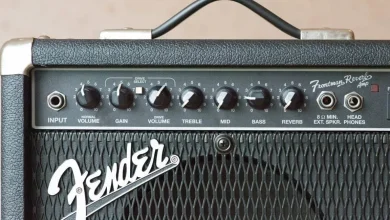
What Amp Do I Need? A Comprehensive Guide to Choosing the Right Amplifier for Your Audio Setup

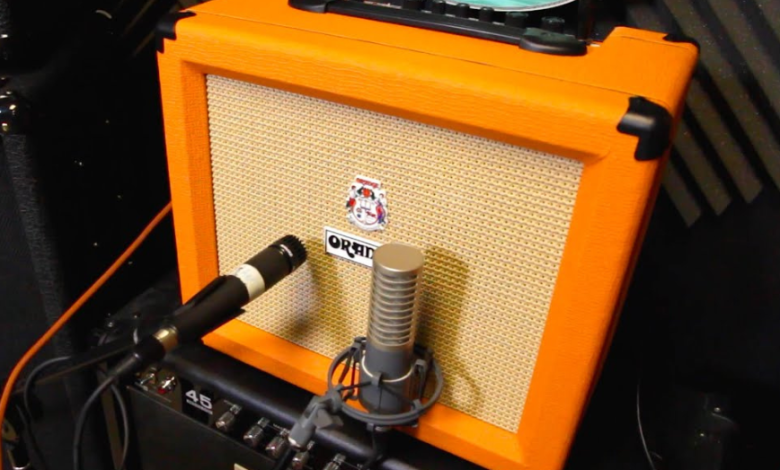
When it comes to setting up a home audio system, one of the most important components is the amplifier. The right amplifier can make all the difference in the sound quality of your speakers, but with so many options available, it can be overwhelming to know which one to choose. In this article, we will explore the factors to consider when selecting an amplifier and answer the question “what amp do I need” based on your specific needs.
First and foremost, it’s important to consider the type of speakers you will be using with your amplifier. Different speakers have different power requirements, measured in watts, and matching the wattage of your speakers to the power output of your amplifier is crucial for optimal performance. Additionally, you’ll want to consider the impedance, or resistance, of your speakers, as this can also impact the sound quality.
Another important factor to consider is the size of your room. Larger rooms will require more power to fill the space with sound, so it’s important to choose an amplifier with enough wattage to accommodate your room size. Additionally, if you plan on using your amplifier for parties or events, you may want to consider a more powerful amplifier than if you only plan on using it for personal listening. By taking these factors into consideration, you can select the right amplifier for your needs and enjoy high-quality sound in your home audio system.
Understanding Amplifiers
Amplifiers are crucial components in any audio system. They are responsible for taking a low-level audio signal and amplifying it to a level that can drive speakers. In this section, we will discuss the basics of amplifiers, including their types, components, and specifications.
Types of Amplifiers
There are several types of amplifiers available on the market, including:
- Solid-state amplifiers
- Tube amplifiers
- Hybrid amplifiers
Solid-state amplifiers use transistors to amplify the audio signal. They are known for their high power output, low distortion, and reliability. Tube amplifiers, on the other hand, use vacuum tubes to amplify the audio signal. They are known for their warm, rich sound and are popular among audiophiles. Hybrid amplifiers combine the best of both worlds, using both solid-state and tube technologies to produce high-quality sound.
Components of Amplifiers
The main components of an amplifier include:
- Input stage
- Gain stage
- Output stage
The input stage is responsible for receiving the audio signal from the source and preparing it for the gain stage. The gain stage is where the actual amplification takes place. The output stage is responsible for driving the speakers and delivering the amplified audio signal.
Amplifier Specifications
When choosing an amplifier, it is important to consider its specifications. Some of the key specifications to look for include:
- Power rating: This refers to the maximum power output of the amplifier and is usually measured in watts.
- Impedance: This refers to the resistance of the speakers and is usually measured in ohms.
- Power output per channel: This refers to the amount of power that each channel of the amplifier can deliver.
- Headroom: This refers to the amount of extra power that the amplifier can deliver without distortion.
- Clipping: This refers to the distortion that occurs when the amplifier is pushed beyond its limits.
- Continuous power rating: This refers to the amount of power that the amplifier can deliver continuously without overheating or shutting down.
Types of Amplifiers
When it comes to selecting an amplifier, there are several types to choose from. Each type has its own unique characteristics and is suitable for different types of music and playing styles. Here are the four main types of amplifiers:
Tube Amps
Tube amps, also known as valve amps, use vacuum tubes to amplify the signal. They are known for producing a warm and natural sound that is favored by many guitarists. Tube amps are also known for their responsiveness to the player’s touch, making them ideal for those who want to express themselves through their playing. However, they are generally more expensive than solid-state amps and require more maintenance.
Solid State Amps
Solid-state amps use transistors to amplify the signal. They are known for their durability and reliability, making them ideal for gigging musicians. They also tend to be less expensive than tube amps and require less maintenance. However, they are often criticized for sounding harsh and lacking warmth compared to tube amps.
Combo Amps
Combo amps combine the amplifier and speaker in one unit, making them a popular choice for those who want a portable and convenient setup. They are available in both tube and solid-state versions and are suitable for a wide range of playing styles.
Modeling Amps
Modeling amps use digital technology to simulate the sound of different types of amplifiers and effects. They are a versatile option for those who want to experiment with different tones and effects without having to invest in multiple pieces of equipment. However, they are often criticized for sounding artificial and lacking the warmth and character of tube amps.
When selecting an amplifier, it is important to consider factors such as the type of music you play, your playing style, and your budget. It is also important to consider the type of cabinet you will be using, as closed-back cabinets tend to produce a tighter and more focused sound, while open-back cabinets produce a more spacious and airy sound. Ultimately, the choice of amplifier will depend on your personal preferences and the sound you are trying to achieve.
Amplifiers and Speakers
When it comes to setting up a sound system, choosing the right amplifier is crucial. An amplifier is responsible for powering the speakers and delivering high-quality sound. In this section, we will cover some important factors to consider when choosing an amplifier for your speakers.
Understanding Ohms
Ohms are a measure of electrical resistance, and they play an important role in determining the compatibility between an amplifier and speakers. Most speakers have an impedance of either 4, 8, or 16 ohms. It is important to choose an amplifier with an impedance rating that matches that of your speakers. If the impedance rating is too low, the amplifier may overheat and become damaged. On the other hand, if the impedance rating is too high, the amplifier may not be able to deliver enough power to the speakers.
Amplifier-Speaker Compatibility
In addition to impedance, there are other factors that determine whether an amplifier is compatible with your speakers. One important factor is sensitivity, which is a measure of how efficiently the speakers convert electrical signals into sound. If your speakers have a low sensitivity rating, you may need an amplifier with a higher power output to achieve the desired volume level.
Another factor to consider is whether your speakers are wired in series or parallel. If your speakers are wired in series, the total impedance of the speakers will be higher than if they were wired in parallel. This means that you will need an amplifier with a higher impedance rating to match the impedance of the speakers.
Subwoofers
If you are planning to use subwoofers in your sound system, it is important to choose an amplifier that is designed to work with subwoofers. Subwoofers require a lot of power to produce low-frequency sounds, so you will need an amplifier with a high power output to drive them. Additionally, many subwoofers have their own built-in amplifiers, so you may not need a separate amplifier for your subwoofers.
choosing the right amplifier for your speakers requires careful consideration of several factors, including impedance, sensitivity, and subwoofers. By understanding these factors and choosing an amplifier that is compatible with your speakers, you can ensure that your sound system delivers high-quality sound that meets your needs.
Choosing the Right Amp
When it comes to buying an amp, there are many factors to consider. Whether you’re a beginner or a seasoned musician, choosing the right amp can make all the difference in your playing experience. In this section, we’ll cover some of the key factors to consider when choosing an amp, including wattage, channels, and effects.
For Beginners
If you’re just starting out, a practice amp is a great place to start. These amps are typically smaller and less powerful than gig amps, making them ideal for practicing at home. Look for a practice amp with at least one channel and a power output of 10-20 watts. Some popular options for beginners include the Fender Mustang LT25 and the Yamaha THR10II.
For Practice
If you’re looking for an amp to practice with, you’ll want to consider a few different factors. First, think about the size of the amp. If you’re practicing at home, a smaller amp may be more suitable. You’ll also want to look for an amp with multiple channels, so you can experiment with different tones. Some popular practice amps include the Boss Katana Mini and the Blackstar Fly 3.
For Gigs
If you’re playing gigs, you’ll need an amp that can handle larger venues. Look for an amp with a power output of at least 50 watts, and consider a two-channel amp so you can switch between clean and distorted tones. Some popular gig amps include the Fender Hot Rod Deluxe and the Marshall DSL40CR.
On a Budget
If you’re on a tight budget, there are still plenty of great options available. Look for amps from reputable manufacturers like Fender and Vox, and consider buying used to save money. You can also look for amps with fewer features, like a single channel or no built-in effects. Some popular budget amps include the Fender Champion 20 and the Vox Pathfinder 10.
choosing the right amp depends on a variety of factors, including your skill level, budget, and intended use. By considering factors like wattage, channels, and effects, you can find an amp that meets your needs and enhances your playing experience.
Additional Considerations
When choosing an amp, there are several additional considerations to keep in mind beyond the basic factors discussed earlier. Here are some important points to consider:
Space
Consider the space where you will be playing and practicing. If you plan to use your amp at home, you may not need a large, powerful amp. However, if you plan to play in larger venues or with a band, you may need a more powerful amp with a higher wattage.
Aesthetics
While aesthetics may not be the most important factor when choosing an amp, it is still something to consider. Do you want an amp that looks sleek and modern, or do you prefer a more vintage look? There are many different styles and designs to choose from, so take some time to think about what you like best.
Effects
Some amps come with built-in effects, such as reverb, delay, and distortion. If you want to experiment with different sounds and effects, look for an amp that includes these features. However, if you prefer a more straightforward sound, you may not need these additional features.
Connectivity
Consider how you will be connecting your amp to other equipment, such as pedals, mixers, or recording devices. Look for an amp that has the appropriate inputs and outputs for your needs.
Durability
Finally, consider the durability of the amp. Look for an amp that is built to last and can withstand regular use and transport. This is especially important if you plan to travel with your amp or use it for gigs.
By keeping these additional considerations in mind, you can choose an amp that meets your specific needs and preferences.
Conclusion
amplifiers are essential components in any audio system. They come in different types and have different specifications that need to be considered when choosing the right amplifier for your system. By understanding the basics of amplifiers, you can make an informed decision when purchasing one for your audio system.