

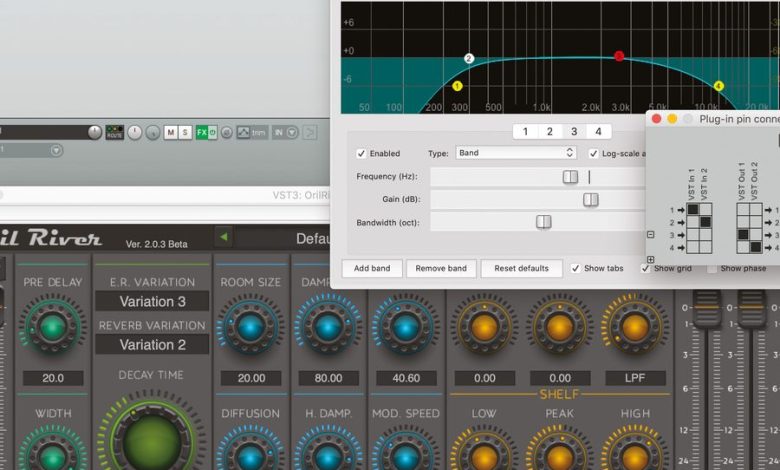
Gated reverb snare is a popular sound effect used in music production, particularly in the 80s. It is characterized by a short, sharp snare sound that is followed by a long, sustained reverb that is abruptly cut off. This effect can add a lot of depth and impact to a track, and it is relatively easy to create with the right tools and techniques.
To make gated reverb snare, you will need a few things. First, you will need a snare drum track that you want to add the effect to. You will also need a reverb plugin that allows you to adjust the decay time and a noise gate plugin that allows you to control the duration of the reverb. With these tools, you can create a custom gated reverb sound that fits your track perfectly.
Understanding Gated Reverb
Gated reverb is a technique used in music production to create a distinctive sound on a snare drum. It was first popularized in the 1980s and has since become a staple in many genres of music, from rock to pop to hip-hop.
At its core, gated reverb is simply a reverb effect that has been “gated” or cut off abruptly. This creates a distinctive sound that can be used to add depth and character to a snare drum. The technique involves using a noise gate to control the reverb’s decay time, resulting in a shorter, more defined reverb sound.
To create a gated reverb effect, you’ll need to start by sending the snare drum to a separate auxiliary track. On this track, you’ll add a reverb effect with a long decay time, such as a plate or room reverb. Next, you’ll add a noise gate to the track and set it to trigger on the snare hits. Finally, you’ll adjust the gate’s attack, hold, and release settings to create the desired effect.
It’s important to note that gated reverb is not a one-size-fits-all technique. The effect can be adjusted to create a variety of different sounds, from subtle to extreme. Experimenting with different settings and techniques can help you find the perfect gated reverb sound for your mix.
gated reverb is a powerful tool for adding depth and character to a snare drum sound. By understanding the basics of the technique and experimenting with different settings, you can create unique and memorable sounds that stand out in your productions.
History of Gated Reverb
Gated reverb is a unique audio effect that has been used in music production for decades. The technique was first introduced in 1979 by producer Steve Lillywhite and engineer Hugh Padgham while working on Peter Gabriel’s self-titled third solo album.
During the recording sessions, Phil Collins played drums without using cymbals at London’s Townhouse Studios. This led to an accidental discovery of the gated reverb effect. The effect is most famously demonstrated in Collins’ hit song “In the Air Tonight.”
The technique involves adding a large amount of reverb to a sound, and then using a noise gate to cut off the reverb abruptly. This creates a distinctive sound that is often associated with the 1980s music era.
Gated reverb quickly became a popular effect in music production, and it has been used by countless artists in various genres. The technique is particularly effective on snare drums, but it can also be used on other instruments such as vocals, guitars, and keyboards.
In recent years, digital audio workstations (DAWs) have made it easier than ever to create gated reverb effects. However, many producers still prefer to use hardware units such as the classic Lexicon 224 or 480L for their unique sound.
gated reverb is a timeless effect that continues to be used by producers and musicians around the world. Its distinctive sound has become an iconic part of music history and will likely continue to be used for many years to come.
Importance of Gated Reverb Snare in Music Production
Gated reverb snare is an essential element of modern music production. It has been used in many popular songs, especially in the 1980s British pop music, and continues to be a popular effect in contemporary music production.
The gated reverb snare effect is created by adding a noise gate to a strong reverb. The gate cuts off the reverb abruptly, creating a unique sound that is both powerful and spacious. The effect is particularly effective on snare drums, adding punch and depth to the sound.
One of the main benefits of using gated reverb snare is that it can help to emphasize the rhythm section of a track. The effect adds a sense of urgency and energy to the music, making it more exciting and engaging for the listener. It can also help to create a sense of space and depth in the mix, making the music sound bigger and more expansive.
Another advantage of using gated reverb snare is that it can help to create a distinctive sound for a particular artist or genre. Many famous musicians and producers have used the effect to great effect, creating iconic sounds that are instantly recognizable.
gated reverb snare is an important tool for any music producer who wants to create powerful, dynamic and unique sounds. By using this effect, producers can add depth, punch and energy to their tracks, making them more engaging and memorable for their listeners.
Creating Your Own Gated Reverb Snare
If you’re looking to add some punch and character to your snare sound, creating a gated reverb snare is a great way to do it. Here are some steps to help you get started:
Choosing the Right Snare
Before you start applying any effects, it’s important to choose the right snare sound for your track. A snare with a lot of attack and sustain will work well for a gated reverb effect. You may want to experiment with different snare drums until you find one that works well for your particular track.
Applying the Gated Reverb Effect
Once you’ve chosen your snare, it’s time to apply the gated reverb effect. Here’s how to do it:
- Insert a reverb plugin on your snare track.
- Set the reverb decay time to a long value, such as 2-4 seconds.
- Activate the gate function on the reverb plugin.
- Adjust the gate threshold to cut off the reverb tail at the desired point.
Adjusting the Parameters
Now that you’ve applied the gated reverb effect, it’s time to adjust the parameters to get the sound you want. Here are some tips:
- Adjust the gate threshold to control the length of the reverb tail.
- Experiment with different decay times to find the right balance between sustain and decay.
- Adjust the wet/dry mix to control the amount of reverb in the overall sound.
- Try adding some EQ to shape the sound of the snare and the reverb.
Remember, the key to creating a great gated reverb snare is to experiment with different settings until you find the sound that works best for your track.
Tips and Tricks for Gated Reverb Snare
Creating a gated reverb snare sound can be challenging, but with a few tips and tricks, you can achieve a unique and powerful sound. Here are some things to keep in mind when working with gated reverb:
-
Experiment with different gate settings: Adjusting the gate’s attack and release times can dramatically affect the sound of the reverb. A longer release time can create a more natural decay, while a shorter release time can create a more abrupt cutoff. Similarly, a longer attack time can create a smoother transition into the reverb, while a shorter attack time can create a more pronounced initial hit.
-
Use EQ to shape the sound: Gated reverb can sometimes create a boomy or muddy sound. To combat this, try using EQ to cut out some of the low end and boost the mid-range frequencies. This can help to give the snare more clarity and definition.
-
Layer multiple snares: Using multiple snare samples can help to create a more complex and interesting gated reverb sound. Try layering a snare with a higher pitch on top of a snare with a lower pitch to create a fuller sound.
-
Be mindful of the mix: Gated reverb can quickly become overpowering if not mixed correctly. Make sure to adjust the level of the reverb to sit well with the rest of the mix. You may also want to consider using sidechain compression to duck the reverb when the snare is playing to avoid muddiness.
By keeping these tips in mind, you can create a unique and powerful gated reverb snare sound that will make your tracks stand out.
Common Mistakes to Avoid
When it comes to creating a gated reverb snare, there are a few common mistakes that beginners tend to make. Avoiding these mistakes can help you achieve the desired sound and make your mix sound professional.
Mistake 1: Using Too Much Reverb
One of the most common mistakes when creating a gated reverb snare is using too much reverb. While it may seem like more reverb will make the snare sound bigger and more prominent, it can actually have the opposite effect. Too much reverb can make the snare sound distant and lose its impact in the mix.
Mistake 2: Not Adjusting the Gate
Another common mistake is not adjusting the gate properly. The gate is what controls the length of the reverb tail and how quickly it fades out. If the gate is set too high, the snare sound will be cut off too quickly, and the reverb won’t have time to fully develop. If the gate is set too low, the reverb tail will be too long and muddy, making the snare sound less defined.
Mistake 3: Ignoring EQ
EQ is an essential tool when creating a gated reverb snare. It can help you shape the sound and make it fit better in the mix. Ignoring EQ can result in a snare that sounds out of place and unbalanced. Make sure to cut out any unwanted frequencies and boost the frequencies that make the snare sound punchy and defined.
Mistake 4: Using the Wrong Type of Reverb
Choosing the right type of reverb is crucial when creating a gated reverb snare. Using the wrong type of reverb can make the snare sound unnatural and out of place. Make sure to choose a reverb that complements the style of music you’re working on and fits well with the other instruments in the mix.
By avoiding these common mistakes, you can create a gated reverb snare that sounds professional and adds impact to your mix.
Conclusion
creating a gated reverb effect on a snare drum is a great way to add depth and character to your mix. By following the steps outlined in this article, you can achieve that classic 80s sound that is so popular in modern music.
Remember to experiment with different reverb types and settings to find the perfect sound for your mix. Additionally, you can use sidechain compression to create a more dynamic and controlled effect.
It’s important to note that while gated reverb can be a powerful tool, it should be used in moderation. Too much reverb can muddy your mix and make it difficult to hear individual instruments.
gated reverb is a great way to add depth and character to your snare drum sound. Give it a try and see how it can enhance your mix!


