

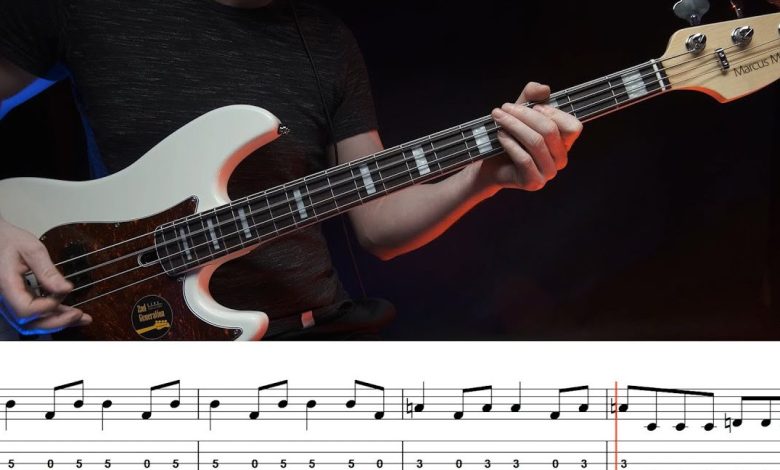
Writing bass tabs for a song is an essential part of the songwriting process. Bass tabs are a form of sheet music that indicate which notes to play on the bass guitar or any other stringed instrument. Learning how to write bass tabs is an important skill for any musician, whether you are a bass player or not.
To write bass tabs, you need to have a basic understanding of music theory, especially the structure of chords and how they relate to each other. You also need to be able to read and write sheet music, as bass tabs are essentially a simplified version of sheet music. However, unlike traditional sheet music, bass tabs are easier to read and understand, making them a popular choice for beginner and intermediate musicians.
In this article, we will provide you with a step-by-step guide on how to write bass tabs for a song. We will cover everything from understanding the basics of music theory to transcribing a song onto paper. By the end of this article, you will have the knowledge and skills necessary to write your own bass tabs and take your songwriting to the next level.
Understanding Bass Tabs
Bass TAB (or Bass Tablature) is a simple way of reading music for bass that uses numbers and symbols instead of notes on a staff. It is a popular method for bass players to learn new songs because it is easy to read and understand.
Bass tabs use horizontal lines to represent the strings of the bass guitar and numbers to indicate which fret to play on each string. The bottom line of the tab represents the E string, and the top line represents the G string. The second and third lines represent the A and D strings, respectively.
Here is an example of a bass tab for the first few measures of the song “Billie Jean” by Michael Jackson:
G|----------------|----------------|----------------|----------------|
D|----------------|----------------|----------------|----------------|
A|--------2-------|--------2-------|--------2-------|--------2-------|
E|--0-0-0-----0-0-0|--0-0-0-----0-0-0|--0-0-0-----0-0-0|--0-0-0-----0-0-0|
In this example, the numbers on the A string indicate that the second fret should be played four times in a row. The zeroes on the E string indicate that the open string should be played four times in a row.
Bass tabs may also include symbols to indicate techniques such as slides, hammer-ons, and pull-offs. Here are some common symbols you may see in bass tabs:
- / or : slide up or down to the indicated fret
- h: hammer-on to the indicated fret
- p: pull-off to the indicated fret
- x: mute the indicated string
- ~: vibrato
It is important to note that bass tabs do not indicate the rhythm or timing of the notes. It is up to the player to listen to the song and determine the timing of the notes based on their own interpretation.
bass tabs are a useful tool for bass players to learn new songs and practice their skills. By understanding how to read bass tabs and interpret the symbols, players can quickly learn new songs and develop their own playing style.
Choosing Your Song
Before you can start writing bass tabs, you need to choose a song to work with. It’s important to choose a song that you enjoy listening to and that has a strong bassline. Here are some tips for choosing the right song:
Identifying the Bassline
First, you need to identify the bassline of the song. The bassline is the part of the song that the bass guitar plays. Sometimes it can be difficult to hear the bassline, especially if the song has a lot of other instruments playing at the same time. One way to identify the bassline is to listen to the song with headphones on and focus on the bass guitar.
Listening for Key Changes
Once you’ve identified the bassline, you need to listen for any key changes in the song. A key change is when the song changes from one key to another. This can be important to know when writing bass tabs because the notes you play will change depending on the key of the song. You can listen for key changes by paying attention to any changes in the melody or chords of the song.
choosing the right song is an important first step in writing bass tabs. By identifying the bassline and listening for key changes, you can ensure that you’re working with a song that has a strong bassline and that you’ll be able to write accurate tabs for.
Writing Your Bass Tabs
When it comes to writing bass tabs, there are a few key elements to keep in mind. Notating the frets, marking the strings, and indicating rhythm are all important aspects to consider. Here are some tips to help you get started:
Notating the Frets
The first step in writing your bass tabs is to notate the frets. This is done by using numbers to indicate which frets to play. For example, if you want to play a note on the 3rd fret of the E string, you would write “3” on the corresponding line of your tab. If you need to play a note on a higher fret, simply write the corresponding number.
Marking the Strings
In addition to notating the frets, you’ll also need to mark which string to play. This is done by using lines to represent each string. The thickest string, the E string, is typically represented by the bottom line, while the thinnest string, the G string, is represented by the top line.
Indicating Rhythm
Finally, it’s important to indicate the rhythm of the bassline. This can be done in a number of ways, such as using standard notation, or by using symbols to indicate the duration of each note. For example, a “w” can be used to indicate a whole note, while an “h” can be used to indicate a half note.
Remember, when writing your bass tabs, it’s important to be as clear and concise as possible. Use tables, bullet points, and bold text as necessary to help convey information to the reader. With a little practice, you’ll be able to write accurate and effective bass tabs in no time!
Checking Your Work
Once you have finished writing your bass tabs, it is important to check your work to ensure accuracy. Here are some steps to follow when checking your tabs:
Playing Your Tabs
The first step in checking your tabs is to play them. This will help you hear any mistakes or inconsistencies in your writing. Make sure to play your tabs slowly and carefully, paying attention to each note and rhythm.
Revising as Needed
If you notice any mistakes while playing your tabs, revise them as needed. This may involve changing the position of a note on the fretboard, adjusting the timing of a rhythm, or rewriting an entire section of the tab.
Here are some additional tips for revising your tabs:
- Use a metronome to ensure consistent timing.
- Double-check the notes against the original song to ensure accuracy.
- Ask a friend or fellow musician to review your tabs and provide feedback.
Remember, the goal of checking your tabs is to ensure accuracy and make any necessary revisions. By taking the time to review your work, you can create a more polished and professional-sounding bass tab for your song.
Sharing Your Bass Tabs
Once you’ve created your bass tabs, it’s time to share them with others. Sharing your work can help you receive feedback, improve your skills, and connect with other musicians. Here are some ways to share your bass tabs:
Online Platforms
There are many online platforms where you can share your bass tabs with others. Some popular options include:
-
Ultimate Guitar: This website allows you to upload your bass tabs and share them with a community of musicians. You can receive feedback and ratings on your tabs, and even earn money through their licensing program.
-
Songsterr: Songsterr is another website that allows you to share your bass tabs with others. They have a large library of tabs, and you can receive feedback and ratings on your work.
-
Reddit: Reddit has many communities dedicated to bass playing and music in general. You can share your bass tabs on these communities and receive feedback from other musicians.
Feedback
Sharing your bass tabs can help you receive feedback on your work. This feedback can help you improve your skills and make your tabs more accurate and easy to read. Here are some tips for receiving feedback:
-
Be open to criticism: Remember that feedback is meant to help you improve. Be open to constructive criticism and use it to make your tabs better.
-
Ask specific questions: When sharing your tabs, ask specific questions about areas where you’re unsure or need improvement. This can help others give you more targeted feedback.
-
Thank people for their feedback: When someone takes the time to give you feedback, be sure to thank them. This can help build relationships with other musicians and encourage them to give you feedback in the future.
Improvements
Sharing your bass tabs can also help you improve your skills. Here are some ways to use feedback to improve your tabs:
-
Make corrections: If someone points out an error in your tabs, make the necessary corrections. This can help make your tabs more accurate and easy to read.
-
Simplify your tabs: If someone has trouble reading your tabs, consider simplifying them. This can make them more accessible to a wider range of musicians.
-
Add more detail: If someone suggests adding more detail to your tabs, consider doing so. This can make your tabs more informative and useful to others.
By sharing your bass tabs and receiving feedback, you can improve your skills, connect with other musicians, and contribute to the wider music community.


