Digital Signal Processing (DSP) is a technology that we encounter every day, though we may not be aware of it. It is a cornerstone of modern audio products, found in headphones, smartphones, smart speakers, studio audio gear, vehicle entertainment systems, and much more. DSP refers to the process of converting an analog signal to a digital one, and then digitally manipulating it to achieve some sort of desired result.
One of the most common uses of DSP technology is for room correction. Room correction is the process of using DSP to adjust the frequency response of a speaker system to compensate for the acoustic characteristics of the room in which it is installed. This can help to eliminate issues such as standing waves, early reflections, and resonances that can negatively impact the sound quality of a system. By using DSP correction, you can achieve a more accurate and natural sound, regardless of the room’s acoustic properties.
DSP correction can also be used for headphone correction. Headphone correction is the process of using DSP to adjust the frequency response of a pair of headphones to compensate for the individual characteristics of the listener’s ears. This can help to eliminate issues such as frequency response peaks and dips, which can negatively impact the sound quality and cause listening fatigue. By using headphone correction, you can achieve a more accurate and natural sound, regardless of the listener’s individual ear shape and size.
Understanding DSP Correction
Digital Signal Processing (DSP) correction is a method of modifying audio signals to improve their quality. It is commonly used to correct for room acoustics, speaker placement, and other factors that can negatively affect the sound quality of audio systems.
DSP correction works by analyzing the audio signal and making adjustments to correct for any issues that are detected. This can include adjusting the frequency response, phase, and time alignment of the audio signal to improve its accuracy and clarity.
One of the main benefits of DSP correction is that it can help to compensate for the limitations of physical audio equipment. For example, if a room has poor acoustics, DSP correction can be used to compensate for this by adjusting the audio signal to sound better in that environment.
Another benefit of DSP correction is that it can be used to tailor the sound of an audio system to the listener’s preferences. By adjusting the frequency response and other parameters, DSP correction can be used to create a sound that is more pleasing to the listener’s ears.
However, it is important to note that DSP correction is not a magic solution that can fix all audio problems. It is still important to use high-quality audio equipment and to properly set up and calibrate the system for optimal performance. Additionally, excessive use of DSP correction can sometimes introduce new problems, such as phase distortion or other artifacts.
DSP correction can be a powerful tool for improving the sound quality of audio systems. By understanding how it works and using it appropriately, it is possible to achieve a more accurate and pleasing audio experience.
The Need for DSP Correction
Digital Signal Processing (DSP) correction is a technique used to improve the sound quality of audio equipment. DSP correction can eliminate distortions and improve sound quality, making it an essential tool for audiophiles and professionals alike.
Eliminating Distortions
Distortions can occur when audio signals are processed in an analog or digital format. These distortions can cause unwanted noise, distortion, or other artifacts that can negatively impact the sound quality of the audio equipment. DSP correction can help eliminate these distortions by analyzing the audio signal and applying corrective measures to remove unwanted noise and distortion.
Improving Sound Quality
DSP correction can also improve the sound quality of audio equipment by applying equalization and other corrective measures to the audio signal. This can help balance the frequency response of the audio equipment, resulting in a more natural and accurate sound. DSP correction can also improve the stereo imaging of the audio equipment, resulting in a more immersive and engaging listening experience.
DSP correction is an essential tool for anyone looking to improve the sound quality of their audio equipment. By eliminating distortions and improving sound quality, DSP correction can help you get the most out of your audio equipment and enjoy a more natural and accurate listening experience.
How DSP Correction Works
Digital Signal Processing (DSP) Correction is a technique used to improve the quality of audio signals by removing noise and distortion. It works by analyzing the audio signal, identifying any errors or distortions, and then correcting them in real-time.
Signal Processing
The first step in DSP Correction is signal processing. The audio signal is analyzed to identify any errors or distortions that need to be corrected. This is done by comparing the original signal to a reference signal, which is a clean, undistorted version of the audio.
Error Detection
Once the audio signal has been analyzed, the next step is error detection. This involves identifying any errors or distortions that are present in the signal. This can include things like noise, distortion, or interference.
Error Correction
The final step in DSP Correction is error correction. This involves using various techniques to correct any errors or distortions that were identified during the error detection phase. This can include things like filtering out noise, equalizing the signal, or adjusting the phase of the audio.
DSP Correction is an effective technique for improving the quality of audio signals. By analyzing the audio signal, identifying any errors or distortions, and then correcting them in real-time, DSP Correction can help to ensure that audio is clear, crisp, and free from unwanted noise or distortion.
Types of DSP Corrections
Digital Signal Processing (DSP) is a powerful tool that can be used to correct various issues in audio systems. There are two main types of DSP corrections: Time Correction and Frequency Correction.
Time Correction
Time Correction, also known as Delay Correction, is used to fix timing issues in an audio system. These timing issues can arise due to various factors such as the distance between speakers and the listener, speaker placement, and room acoustics.
Time Correction works by delaying the audio signal to certain speakers so that they arrive at the listener’s ears at the same time. This can help create a more natural and cohesive soundstage, improving the overall listening experience.
Frequency Correction
Frequency Correction, also known as Equalization (EQ), is used to correct frequency response issues in an audio system. These issues can arise due to various factors such as speaker design, room acoustics, and placement.
Frequency Correction works by adjusting the levels of specific frequency bands in the audio signal. This can help balance out the frequency response of the system, resulting in a more accurate and pleasing sound.
It is important to note that while DSP corrections can be very effective, they should not be relied upon solely to fix audio issues. Proper speaker and room setup, as well as acoustic treatment, are also important factors in achieving high-quality audio.
Implementing DSP Correction
When it comes to implementing DSP correction, there are two main options: hardware solutions and software solutions. Let’s take a closer look at each.
Hardware Solutions
Hardware solutions for DSP correction typically involve using a dedicated device that is designed to process audio signals in real-time. These devices can come in many different shapes and sizes, from standalone units to rack-mountable systems.
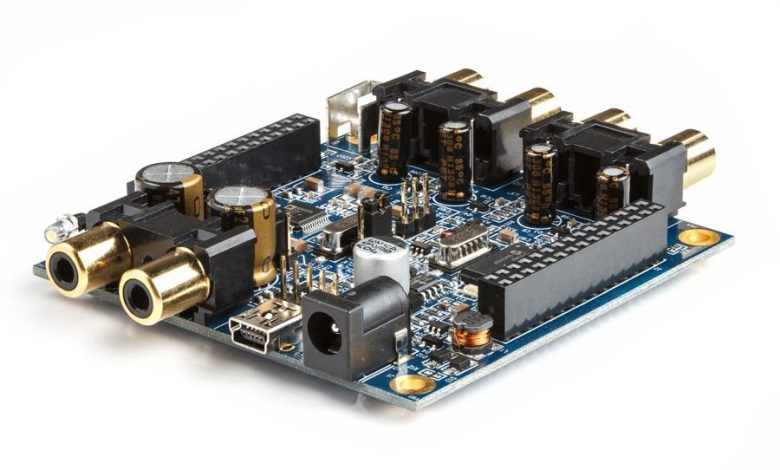
One popular example of a hardware solution for DSP correction is the miniDSP 2×4 HD. This device is a compact, affordable DSP processor that can be used to correct the frequency response of a speaker system. It features a user-friendly interface that makes it easy to adjust settings and tweak the sound to your liking.
Another popular option for hardware-based DSP correction is the Dirac Live system. This solution involves using a dedicated processor that is designed to work with a specific set of speakers. The system uses advanced algorithms to analyze the room’s acoustics and automatically correct for any issues.
Software Solutions
Software solutions for DSP correction are typically more flexible than hardware solutions, as they can be used on a wider range of devices. These solutions can come in the form of standalone software applications or plugins that can be used within a digital audio workstation (DAW).
One popular software solution for DSP correction is the Acourate software. This program is designed to analyze the frequency response of your speakers and generate a set of filters that can be used to correct any issues. The software offers a wide range of customization options, allowing you to tailor the sound to your specific preferences.
Another popular software solution for DSP correction is the Sonarworks Reference software. This program is designed to correct the frequency response of your headphones, ensuring that you hear the most accurate representation of your audio. The software offers a simple, user-friendly interface that makes it easy to get started.
whether you choose a hardware or software solution for DSP correction will depend on your specific needs and budget. Both options can be highly effective when used correctly, and can help you achieve a more accurate, balanced sound in your listening environment.
Benefits of DSP Correction
Digital Signal Processing (DSP) correction is a powerful tool that can enhance your audio experience and provide precision in sound reproduction. Here are some of the benefits of using DSP correction.
Enhanced Audio Experience
DSP correction can significantly improve the quality of your audio experience. With DSP, you can customize your sound to your preferences, whether you like more bass or treble. DSP can also help to reduce distortion and noise, making your music sound cleaner and clearer. Additionally, DSP can provide a more immersive listening experience with features such as surround sound capabilities.
Precision in Sound Reproduction
DSP correction provides precise sound reproduction, ensuring that the music you hear is as close to the original recording as possible. DSP can correct for any room anomalies that may affect sound quality, such as echoes or reverberations. It can also correct for any irregularities in your audio equipment, such as frequency response or phase issues. With DSP, you can achieve a more accurate and faithful representation of the music you are listening to.
DSP correction is a powerful tool that can enhance your audio experience and provide precision in sound reproduction. With DSP, you can customize your sound to your preferences and achieve a more immersive listening experience. Additionally, DSP can correct for any room anomalies or equipment irregularities, ensuring that you hear your music as close to the original recording as possible.
Challenges and Limitations of DSP Correction
Hardware Limitations
One of the biggest challenges of DSP correction is the hardware limitations of the device on which the correction is being applied. DSP correction requires a significant amount of processing power, which can be a problem for older or less powerful devices. This can result in lower quality correction or even cause the device to crash or freeze.
Another hardware limitation is the quality of the device’s audio components. If the device’s speakers or headphones are of poor quality, even the best DSP correction will not be able to fully compensate for their deficiencies. In some cases, it may be necessary to upgrade the device’s audio components in order to achieve the desired level of correction.
Software Limitations
Software limitations can also pose a challenge to DSP correction. One limitation is the accuracy of the correction software. While many software programs claim to be able to correct for a wide range of audio issues, they may not be able to fully compensate for every problem. This can result in a less-than-perfect listening experience for the user.
Another limitation is the compatibility of the correction software with different devices and operating systems. Some correction software may only be compatible with certain types of devices or operating systems, which can limit its usefulness for some users.
In addition, DSP correction software may not be able to correct for certain types of audio issues, such as those caused by physical defects in the device’s speakers or headphones. In these cases, it may be necessary to replace the defective components in order to achieve the desired level of correction.
while DSP correction can be a powerful tool for improving the quality of audio playback, it is important to keep in mind the challenges and limitations that can arise when using this technology. By understanding these limitations and taking steps to address them, users can achieve the best possible results from their DSP correction software.
Future of DSP Correction
As technology continues to advance, the future of DSP correction is looking bright. Here are some potential developments that we can expect to see in the coming years:
-
More precise room correction: As DSP correction algorithms become more sophisticated, we can expect to see more precise room correction. This means that the corrections will be tailored even more specifically to the unique acoustic properties of each room, resulting in even better sound quality.
-
Integration with smart home technology: As smart home technology becomes more prevalent, we can expect to see DSP correction integrated with these systems. This will allow users to control their DSP correction settings using voice commands or through a smartphone app.
-
Virtual reality applications: DSP correction can also be applied in virtual reality environments, creating a more immersive audio experience. This technology could be used in gaming, music production, and even in virtual tours of real estate properties.
-
Improved portability: As DSP correction hardware becomes smaller and more portable, we can expect to see it integrated into more devices. This could include smartphones, laptops, and even wearable technology like headphones.
the future of DSP correction is exciting and full of potential. As technology continues to advance, we can expect to see even more innovative applications of this powerful technology.