

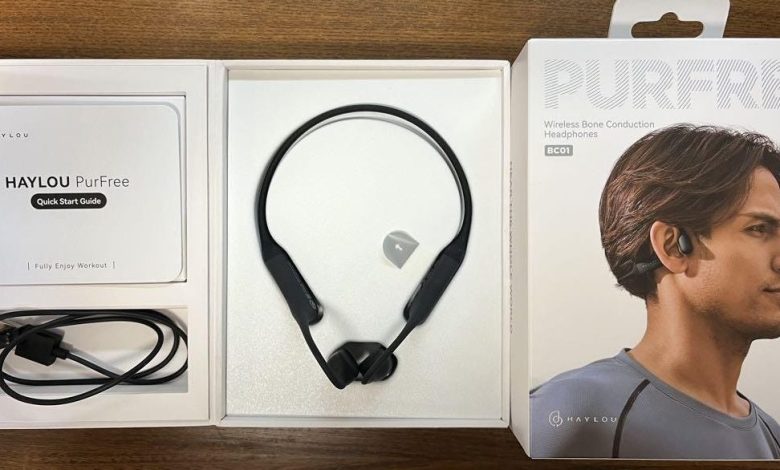
Bone conduction headphones have been gaining popularity in recent years due to their unique design and technology. Unlike traditional headphones, bone conduction headphones use vibrations to transmit sound directly to the inner ear through the bones of the skull, bypassing the eardrum. This makes them a popular choice for individuals with hearing loss or those who prefer to keep their ears open while listening to music or taking calls.
However, one concern that many people have with bone conduction headphones is whether or not they leak sound. While it is true that bone conduction headphones do have some sound leakage, it is important to understand that this leakage is different from that of traditional headphones. Sound leakage in traditional headphones is typically due to high volume levels, while in bone conduction headphones it is due to the distance between the headphones’ vibrating drivers and the user’s skin. In this article, we will explore the topic of sound leakage in bone conduction headphones and provide tips on how to reduce it.
Understanding Bone Conduction Headphones
Bone conduction headphones are a unique type of headphones that transmit sound through the bones in your skull, rather than through the air like traditional headphones. They work by converting sound waves into vibrations that are then sent through your cheekbones and directly to your inner ear. This allows you to hear music or other audio while also being able to hear the sounds of your environment.
One of the main benefits of bone conduction headphones is that they are much safer to use while exercising or engaging in other outdoor activities. Because they don’t block your ears like traditional headphones, you can still hear the sounds of cars, people, and other potential hazards around you. This makes them an excellent choice for runners, cyclists, and other athletes who need to stay aware of their surroundings.
Another benefit of bone conduction headphones is that they can be more comfortable to wear for extended periods of time. Because they don’t sit inside your ear canal, they don’t cause the same kind of discomfort or pressure that traditional headphones can. This can be especially important for people who wear hearing aids or have other ear-related issues.
However, it’s important to note that bone conduction headphones do have some limitations. For example, they may not be as effective at blocking out background noise as traditional headphones. Additionally, they may not be the best choice for people who are looking for the highest-quality audio experience.
bone conduction headphones can be a great choice for people who want to listen to music or other audio while still being able to hear the sounds of their environment. They offer a unique listening experience that can be both comfortable and safe, and they are worth considering for anyone who is looking for a new pair of headphones.
Do Bone Conduction Headphones Leak Sound?
Bone conduction headphones are becoming increasingly popular among fitness enthusiasts, athletes, and people who want to listen to music while still being aware of their surroundings. But one question that often comes up is whether these headphones leak sound.
The short answer is that all headphones leak sound to some extent, but bone conduction headphones tend to leak less sound than traditional headphones. This is because the vibrations that transmit sound waves through your cheekbones are relatively low-frequency, so they’re not as loud as the high-frequency sound waves transmitted through the air.
That being said, if you’re listening to music at a high volume, there’s still a chance that people around you will be able to hear what you’re listening to. This is especially true if you’re in a quiet environment, like a library or a classroom.
To reduce sound leakage, here are a few tips:
- Lower the volume of your headphones
- Use headphones that fit snugly on your head
- Use headphones with noise-cancelling technology
- Consider using over-ear headphones instead of on-ear headphones
- Be mindful of your surroundings and adjust your volume accordingly
while bone conduction headphones do leak sound to some extent, they tend to leak less sound than traditional headphones. By following the tips above, you can reduce sound leakage and enjoy your music without disturbing those around you.
Factors Influencing Sound Leakage in Bone Conduction Headphones
Bone conduction headphones are a great innovation that allows you to listen to music and take calls without blocking out the surrounding noise. However, sound leakage can be a problem with these headphones. Here are some factors that influence sound leakage in bone conduction headphones.
Design and Manufacturing
The design and manufacturing of bone conduction headphones can influence the amount of sound leakage. The closer the transducers are to your skin, the less sound will leak out. If the headphones are poorly designed or manufactured, they may not fit snugly against your skin, causing more sound leakage.
Volume Levels
The volume level at which you listen to your bone conduction headphones can also affect sound leakage. The higher the volume, the more sound will leak out. It’s important to keep the volume at a reasonable level to minimize sound leakage.
Wearing Techniques
The way you wear your bone conduction headphones can also affect sound leakage. If the headphones are not positioned correctly on your head, sound may leak out. It’s important to adjust the headphones to fit snugly against your skin.
bone conduction headphones can leak sound, but there are ways to minimize it. By considering the design and manufacturing of the headphones, keeping the volume at a reasonable level, and adjusting the headphones to fit snugly against your skin, you can reduce sound leakage and enjoy your music without disturbing those around you.
Comparing Bone Conduction Headphones to Traditional Headphones
When it comes to headphones, there are two main types: traditional headphones and bone conduction headphones. While traditional headphones use air to send sound waves to the inner ear, bone conduction headphones use vibrations to transmit sound waves through the cheekbones and directly into the inner ear.
Here are some key differences between the two types of headphones:
Sound Quality
Traditional headphones are known for their high-quality sound. They are designed to block out external noise and provide a clear, crisp sound. However, bone conduction headphones are not as good when it comes to sound quality. Because they do not block out external noise, it can be difficult to hear the music clearly in noisy environments.
Comfort
Traditional headphones can be uncomfortable to wear for long periods of time, especially if they are over-ear headphones. They can cause sweating and discomfort around the ears. On the other hand, bone conduction headphones are designed to be worn for extended periods of time. They do not cause discomfort or sweating around the ears, making them a great option for people who wear headphones for long periods of time.
Leakage
One of the biggest advantages of bone conduction headphones is that they do not leak sound. Because they do not cover the ears, there is no sound leakage. This makes them a great option for people who want to listen to music without disturbing others around them.
Safety
Traditional headphones can be dangerous if they are used at high volumes for extended periods of time. They can damage the eardrums and cause hearing loss. Bone conduction headphones are a safer option because they do not cover the ears. They do not cause any damage to the eardrums, making them a great option for people who are concerned about their hearing.
bone conduction headphones are a great option for people who want to listen to music without disturbing others around them. They are comfortable to wear for long periods of time, and they are a safer option than traditional headphones. However, traditional headphones are still the best option when it comes to sound quality.
How to Minimize Sound Leakage
Bone conduction headphones are great for allowing you to hear your music while still being aware of your surroundings. However, they can also leak sound, which can be disruptive to those around you. Here are a few tips for minimizing sound leakage:
-
Use foam ear tips: Foam ear tips are better at reducing sound leakage than silicone tips. They create a better seal in your ear, which helps to keep the sound in.
-
Adjust the volume: If your headphones are too loud, they will be more likely to leak sound. Try lowering the volume to a level that is comfortable for you but not too loud.
-
Wear them properly: Make sure your headphones are positioned correctly on your head. If they are too loose, they will be more likely to leak sound. If they are too tight, they may be uncomfortable.
-
Choose closed-back headphones: Closed-back headphones have a sealed back, which helps to prevent sound from leaking out. Open-back headphones allow sound to escape more easily.
-
Consider noise-cancelling headphones: Noise-cancelling headphones use technology to block out external noise, which can help to reduce the amount of sound that leaks out of your headphones.
By following these tips, you can minimize the amount of sound that leaks from your bone conduction headphones, allowing you to enjoy your music without disturbing those around you.
Conclusion
bone conduction headphones are a unique piece of technology that allows you to listen to your favorite tunes without blocking out the ambient noise completely. However, they do have some sound leakage, which can be a concern for some users.
To reduce sound leakage, you can try using headphones with an enclosed design, which can help to keep the sound in. You can also adjust the volume to an appropriate level and avoid using them at maximum volume.
It’s important to note that bone conduction headphones are generally safe, but it’s always a good idea to take breaks and give your ears a rest. Additionally, it’s important to consider the environment you’re in and be aware of your surroundings.
bone conduction headphones can be a great option for those who want to listen to music while still being aware of their surroundings. By taking some simple steps to reduce sound leakage, you can enjoy your music without disturbing others around you.


